The New Home Edit
What Not to Bring Into Your New Home
Do not pay to pack, carry and unpack the decisions you already know you do not want to make again.
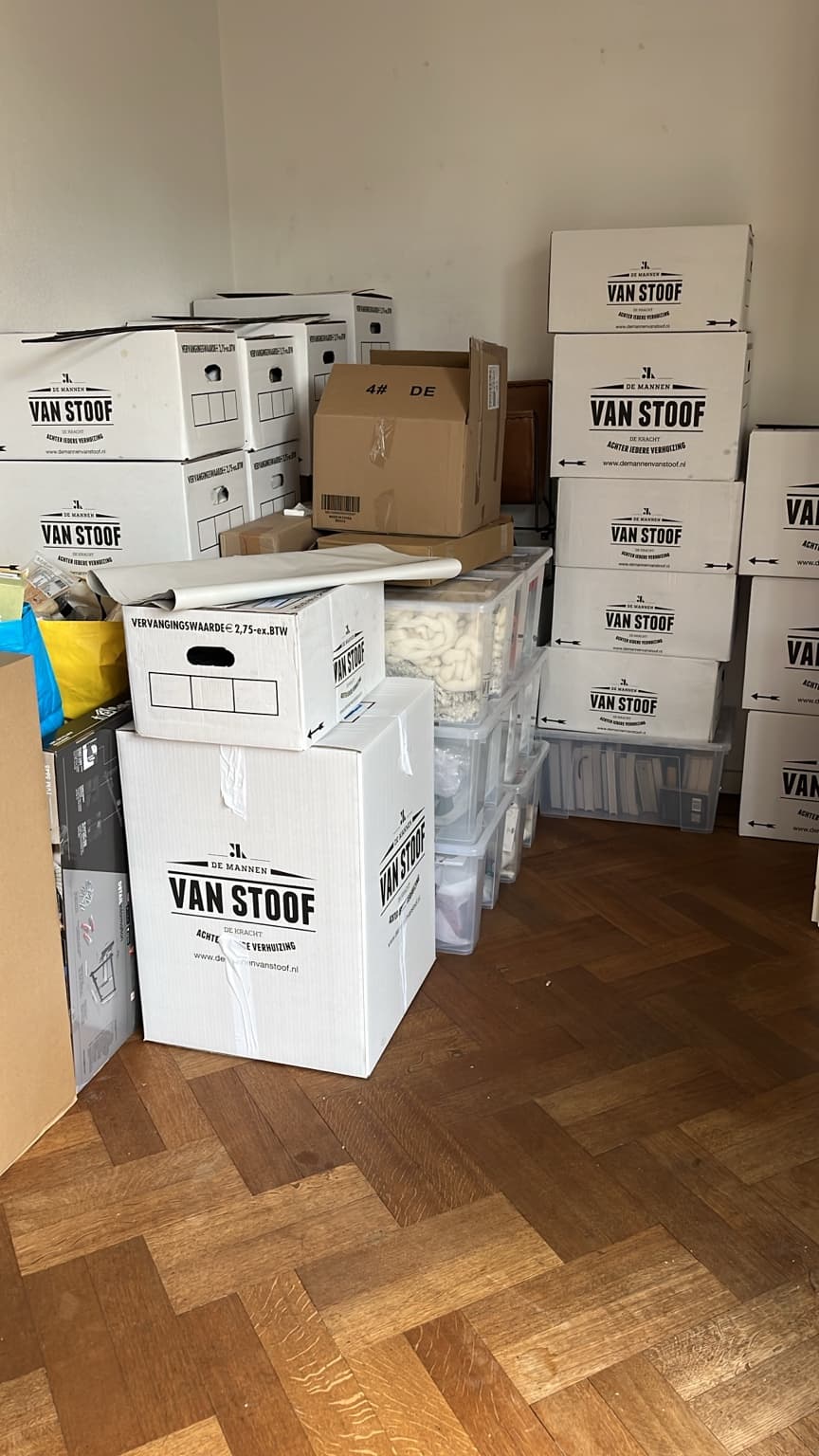
“Decluttering before a move is not a contest to own less. It is an early decision about which belongings deserve packing time, moving cost and space in the next home - made while there is still enough time to sell, donate, recycle or let go thoughtfully.”
When we first moved from our flat into a house together, we did not own an extraordinary amount.
By the time we moved again, we had accumulated much more than we realised.
It had happened quietly. Cupboards became fuller. Storage absorbed things without asking whether they still deserved the space. Furniture remained because it had always been there. Objects waiting for repair, sale, a future project or a more decisive version of ourselves settled into the background.
We began clearing long before the moving boxes arrived and still got rid of far more than expected.
I have never once wished we had moved more of it with us.
What I remember instead is the relief. Once decisions about the new house intensified - kitchen, electrics, trades, floors, furniture, deliveries and dates - I was enormously grateful that every cupboard in the old house was not still waiting for a verdict.
Decluttering before a move is often presented as a race to own less.
That was not our aim.
The aim was simpler: do not spend time, money and new-home space on things you already know you do not want.
Begin When Moving Becomes a Real Possibility
The usual advice is to begin decluttering several weeks before moving day. I would begin earlier.
Begin when moving becomes real enough that you can imagine another front door.
You do not need a confirmed moving date to sort the attic, reconsider unused furniture or notice which cupboards contain years of postponed decisions. Starting early means the work can happen in ordinary sessions rather than one exhausting final purge.
It also gives objects time to leave properly.
Furniture can be listed rather than abandoned. Useful items can be donated where they will genuinely be accepted. Paperwork can be handled carefully. Sentimental belongings can be considered without the moving van effectively idling outside.
Urgency is useful for sealing a box. It is less useful for deciding what an object has meant to you for fifteen years.
Start With What Creates Moving Work
Tiny drawers can create a satisfying sense of progress. They do not necessarily reduce the size of the move.
When time and energy are limited, begin with the places and objects that create the greatest physical work: storage areas that have not been reviewed for years; large furniture without a confirmed destination; wardrobes containing an entire former life; kitchen equipment used rarely, if ever; duplicate household items; unfinished hobby projects occupying substantial space; objects already waiting to be sold, repaired or donated.
This is not a complete room-by-room system. It is a way to place effort where it changes the move most.
One dining table that does not fit the new room matters more to the moving quote than a perfectly edited cutlery drawer.
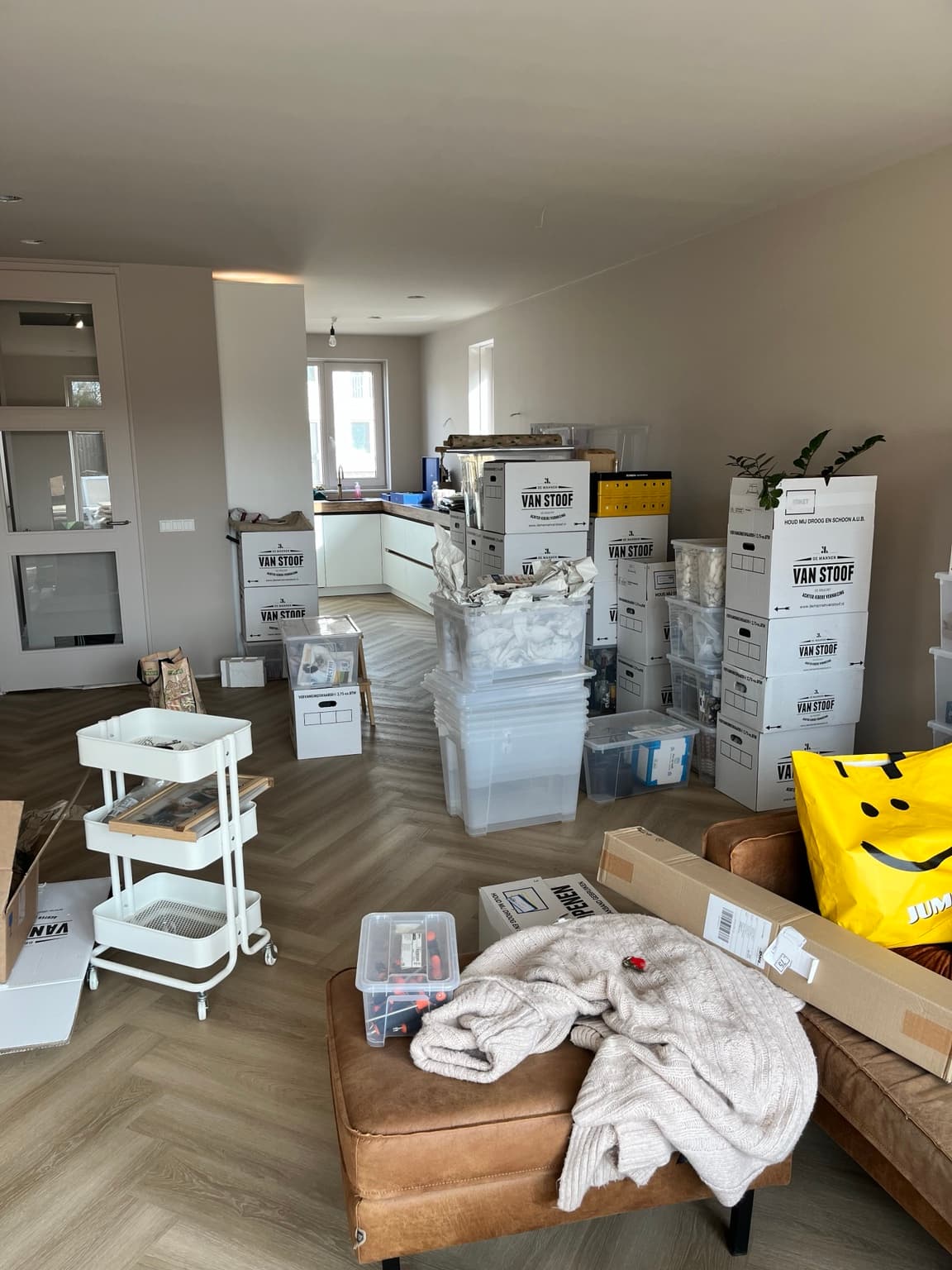
The New House Is Not Unlimited Permission
A larger or emptier home can make every existing object seem temporarily possible.
There will be another cupboard. A spare room. An attic. A garage. A wall we can decide about later.
Space is helpful. It is also exceptionally good at hiding indecision.
Before assuming an item can simply come along, consider the actual new home: does it physically fit through the access route and into the intended room? Does its scale suit the wall, ceiling and circulation space? Will it support how that room needs to function? Does it relate to the atmosphere you are trying to create, or will you immediately begin planning its replacement?
Measurements matter. So does visual fit. A sofa may technically enter the room and still occupy it so completely that the room stops working.
For furniture and storage already in the new home, A Home for Everything, linked below, begins with use rather than buying more containers.
Do Not Move an Object Only Because the Decision Feels Difficult
Some belongings remain not because they are useful, loved or beautiful, but because deciding feels uncomfortable.
They may have been expensive. They may represent a version of us we hoped to become. They may have belonged to someone important. They may be perfectly good objects that simply no longer belong in our life.
Practical value and emotional difficulty are different questions.
An object can have little practical purpose and still deserve a slow, respectful decision. Another can be useful but inexpensive and easy to replace later. A third may be valuable enough to sell, but only if a real listing and collection date are created.
The move does not require ruthless detachment. It requires honesty about which decisions need time and which have already quietly been made.
If you have said “we should get rid of that before we move” three times, the decision may not be the problem anymore.
The missing part may be the action.
Selling Is a Separate Project
“Sell” can become a very elegant form of keeping.
An item is placed in a hopeful corner, photographed badly at eleven in the evening, listed at the price we would like it to have been worth and then allowed to remain for another six months.
Selling before a move can be worthwhile, particularly for furniture, equipment and valuable objects. But it needs its own realistic deadline.
Consider the time required to clean, photograph, describe, answer messages, negotiate, arrange collection and handle the person who asks whether the solid wooden cabinet can be delivered three hours away for free.
If the item has not sold by the decision date, know what happens next. Lower the price, donate it, use another route or consciously decide to keep it.
Do not let the imagined perfect buyer earn the object a place on the moving van by default.
INSIDE THE NEW HOME STUDIO
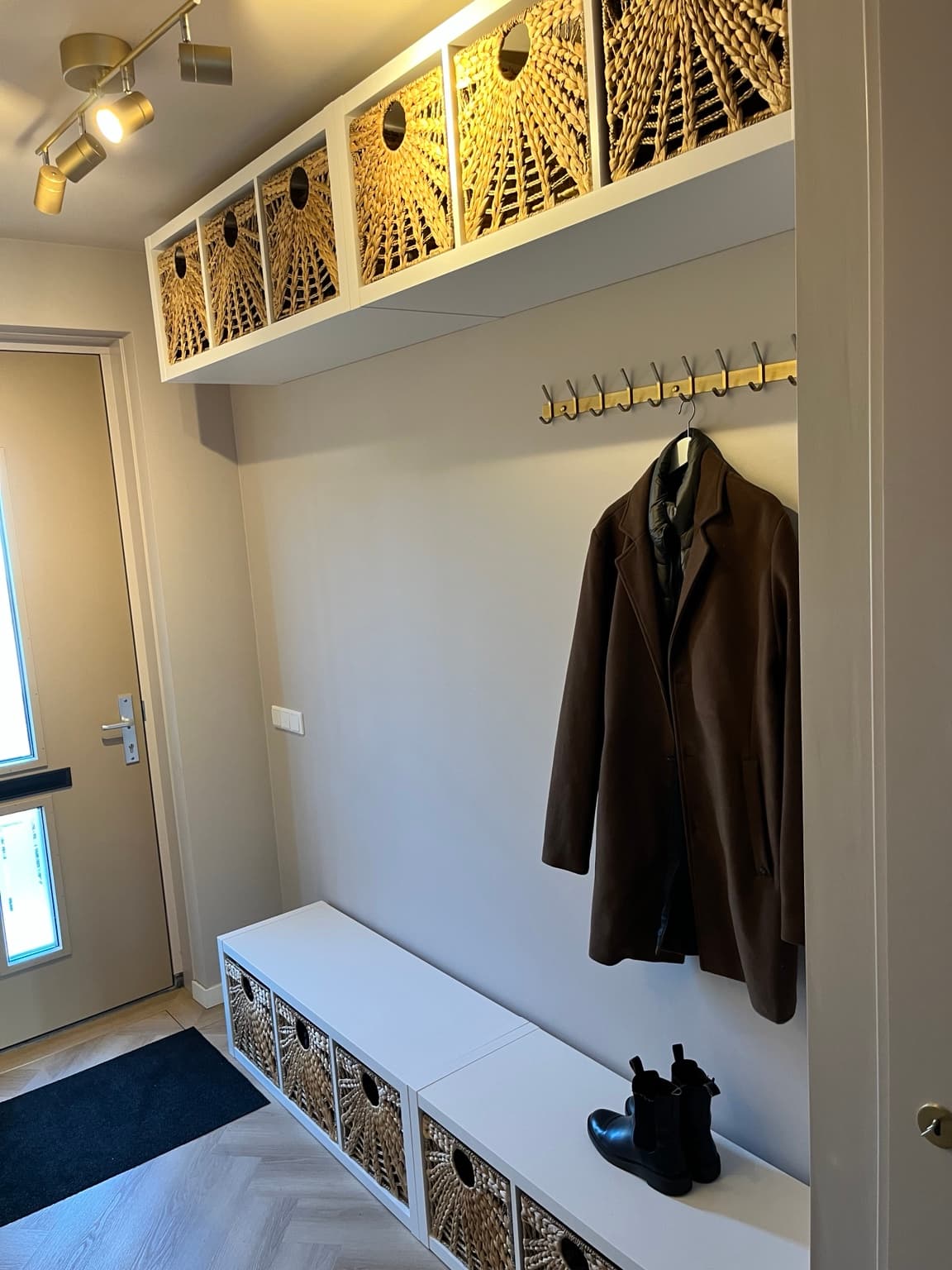
The Studio turns early clearing into a calm runway rather than one final purge. Its Leave Lighter section includes zone planning, larger-item decisions, measurements, action dates and the complete Moving Light Edit. Those guided pages and decision options remain exclusive to the premium workbook.
Keep What Gives the New House Continuity
Leaving lighter does not mean arriving without a past.
Familiar books, artwork, photographs, textiles, furniture and ordinary household objects help a new space become recognisable. They carry continuity through a period in which almost everything else feels unfamiliar.
The first night may be made more comforting by the same bedside lamp, blanket or mug used in the previous home. A piece of furniture may work differently and beautifully in a new room. An object that seemed visually unimportant before may become the thing that makes an empty shelf feel like yours.
The goal is not a blank life in a blank house.
It is making enough room for the right continuity to be noticed.
One Useful Thing to Do Now
Choose one high-impact object or category that you would not want to make a rushed decision about during the final moving weeks.
Do not empty the whole house.
Measure it, name its likely destination and decide what information is still missing. If it should leave, give the next action an actual date.
One completed decision is more valuable than an entire room labelled “sort later”.
Future you will be busy enough.
An article can help you begin clearing with more intention. The full move still contains dozens of connected choices: what comes, what waits, what must be ordered, which trade comes first, which boxes open first and what will make the new house feel like yours.
What Usually Should Not Cross the Threshold
The answer will be different for every household, but certain kinds of objects deserve particular attention. This is not a command to discard everything imperfect or unfashionable - a well-lived home should contain history, oddness, sentiment and things that would never appear together in a catalogue. The distinction is whether the object still has an active place in your life, not whether it meets someone else’s definition of minimalism.
- Things that are broken and have no genuine repair plan
- Furniture that has no destination and does not fit the new layout
- Duplicates kept only because storage made them invisible
- Products that are expired, unsuitable or unlikely to be used
- Projects whose materials have become more burdensome than the original idea
- Decorative objects you already know will remain boxed because they do not suit the new home
- Items held through guilt rather than affection, use or meaning
Continue Reading

Written by Esther
Esther is a photographer and storyteller, and the founder of Essy's Essentials - a seasonal home for stories, rituals, recipes and everyday luxuries.
·
More about Esther →