The New Home Edit
The Scent of Home
Before a guest notices the paint, the lighting or the objects on the console, they may already have noticed something less visible: how the house smells.
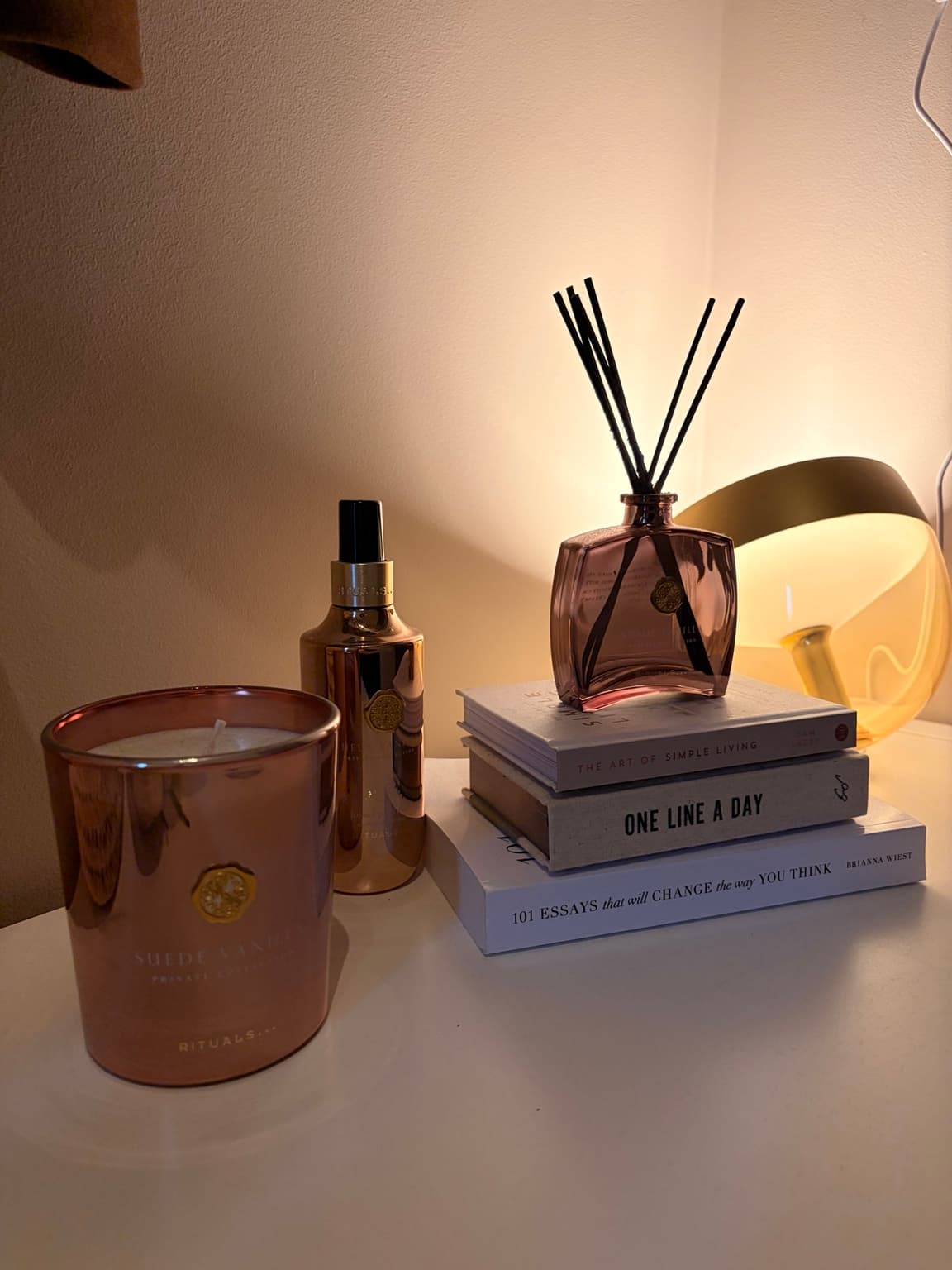
“A signature home scent is created through restrained repetition, not maximum strength. Begin with the smells already produced by air, materials and daily routines; add fragrance only when it supports the feeling of the home without overwhelming the people inside it.”
Every home has a scent, including the homes that do not deliberately fragrance themselves.
There is coffee in the kitchen, laundry drying upstairs, flowers on a table, wood warmed by afternoon sun, a window opened after rain, dinner beginning before anyone has arrived. There are books, candles, cleaning products, perfume, pets, fireplaces, cupboards and the particular smell of the air outside.
Together, these things create an atmosphere before we have consciously chosen one.
This is what makes home fragrance more interesting to me than simply making a room “smell nice”.
The better question is: what should the scent of this home make someone feel - or remember?
It may be warmth. Freshness. Quiet. A hotel once loved. A grandmother’s linen cupboard. A winter evening. Tomato leaves in a garden. Coffee before the rest of the house wakes.
The scent does not need to announce the answer. It should simply belong to the same story as the room.
Begin With What the House Already Smells Like
Before adding fragrance, notice what is already present.
The kitchen may smell most recognisably of coffee in the morning and food later in the day. A living room may carry wood, textiles and candle wax. A bedroom may be shaped by clean linen, an open window and the perfume left faintly on clothing.
These are not problems to cover. They are part of the home’s identity.
A diffuser competing with coffee, flowers, dinner and a recently sprayed cleaning product does not create a richer atmosphere. It creates a meeting in which everyone speaks at once.
Open the window where appropriate. Remove the source of an unpleasant smell rather than decorating over it. Let the room return to neutral before deciding whether anything is missing.
Fresh air is not the absence of atmosphere. Often, it is what allows the atmosphere to be noticed.
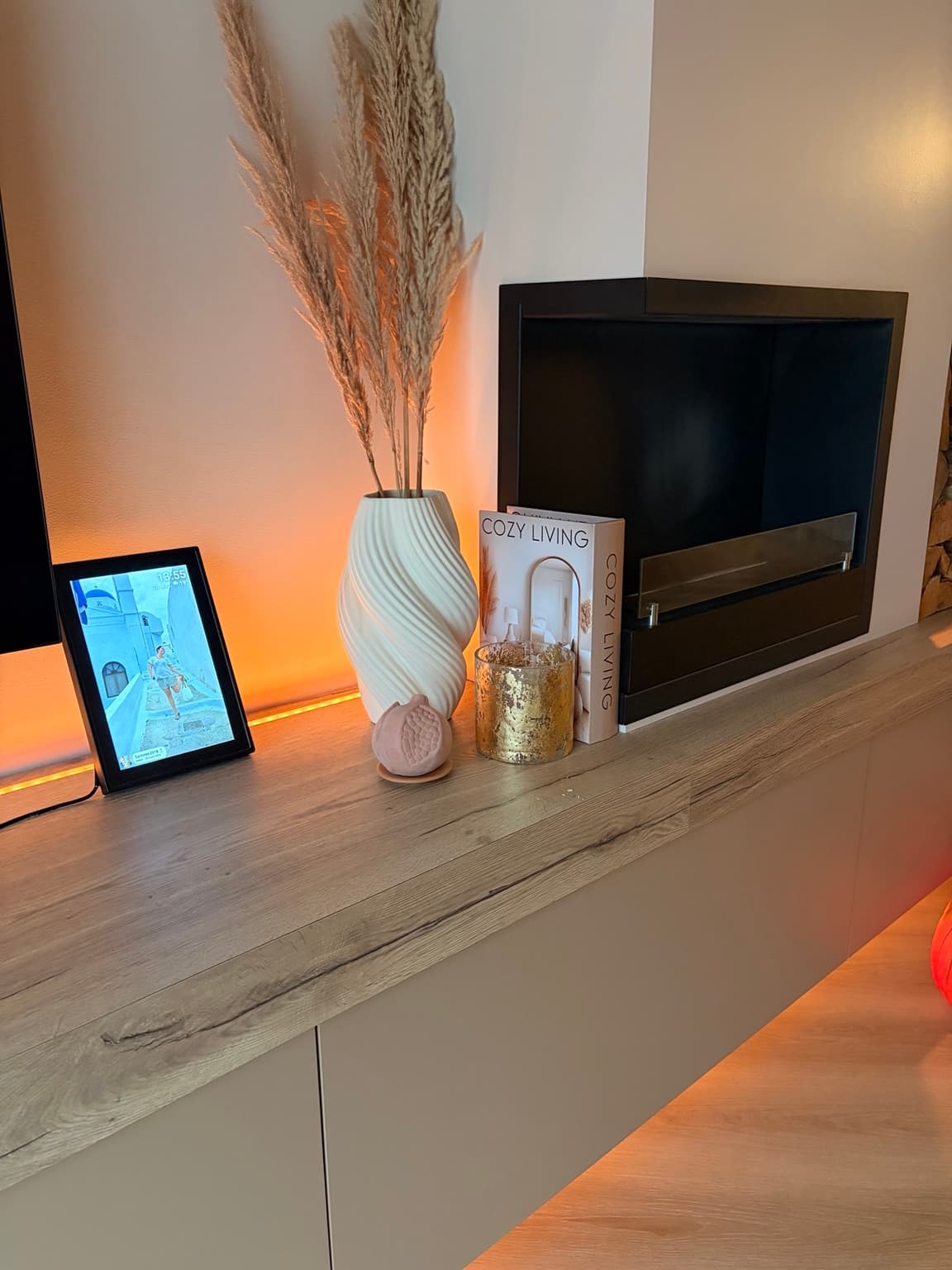
The Entrance Sets the First Scent Note
The entrance is where the outside world and the atmosphere of the house meet.
It does not need the strongest fragrance. In fact, a heavy scent immediately inside the door can make the home feel less welcoming, particularly for guests with sensitivities.
Think instead about the quality of the first impression.
Should it feel clean and quiet? Warm and woody? Green and garden-like? Softly floral? Almost neutral, with only a trace of something familiar?
The answer should relate to the actual house. A scent that feels convincing beside old wood and stone may feel theatrical in a light modern entrance. A very sugary fragrance may fight with a kitchen only a few steps away. An intensely perfumed hall may follow guests through every other room whether invited or not.
The entrance does not need to perform. It needs to introduce.
In our hallway, that introduction is Rituals Suede Vanilla. I use the fragrance across a diffuser, room spray and candle, but not all three at maximum intensity or all at once. The suede-and-vanilla character feels soft, warm and slightly enveloping beside the lamp, books and muted colours already present there. It tells you something about the house before you reach the living room: this is intended to feel like a cocoon.
The value is not that every visitor can name the fragrance. It is that the first scent note agrees with the first visual one.
Different Rooms May Need Different Degrees of Scent
Scentscaping is often described as giving every room its own fragrance identity. I prefer a quieter interpretation.
Not every room needs a product. Not every doorway needs to become a dramatic olfactory plot twist.
The kitchen already contains strong, changing aromas. A subtle green, herbal or citrus impression may sit more naturally there than something dense and sweet - but even that may be unnecessary while food is being prepared.
The living room can usually carry more warmth because it is where evening light, textiles, books and conversation gather. Wood, amber, restrained spice, smoke or soft floral notes may make sense when they belong to the materials and season.
A bedroom benefits from restraint. Clean linen, fresh air and a familiar quiet scent may be enough. Anything that disturbs sleep or becomes noticeable all night has exceeded the brief.
Bathrooms often ask for freshness, but “fresh” does not have to mean sharp. The scent should never be used to disguise a ventilation, cleaning or moisture problem.
The aim is not a different candle for every room. It is avoiding accidental conflict between the scents that already exist.
Scent Can Follow the Rhythm of the Day
The house does not feel the same at eight in the morning and eight in the evening. Its fragrance does not need to remain static either.
Morning may be coffee, fresh air, toast and a recently opened window.
Afternoon may contain flowers, sun-warmed materials or whatever is being prepared in the kitchen.
Evening is when a candle or other chosen fragrance may feel most intentional. It arrives beside lower lighting, closed curtains and the softer pace of the room.
This is where scent becomes a ritual rather than a permanent background setting. It marks a transition: work ending, guests arriving, dinner beginning or the house settling for the night.
The same principle applies seasonally. A home can remain recognisably itself while certain notes become lighter, greener, warmer or deeper as the year changes. The foundation stays coherent; the accent moves.
That is how we approach colour within The Essy’s Essentials Home Palette, linked below, and fragrance can behave in much the same way.
Memory Is More Powerful Than Novelty
The most recognisable home scent is not necessarily the most unusual one.
It is the one that repeats gently enough to become attached to a place.
A particular candle lit when friends come for dinner. The same hand soap near the entrance. Coffee from the same corner of the kitchen. A room fragrance encountered every time the living room moves into evening. Lavender from the garden brought inside. The faint scent of a wooden cabinet when it is opened.
Repetition gives fragrance emotional weight.
This is why one well-loved object can matter more than a cupboard filled with competing home scents. My Santa Maria Novella Terracotta Melograno, linked below, is a tiny luxury partly because it asks so little. It sits there, looks beautiful and quietly contributes to the room without turning fragrance into another task.
The home should not smell newly purchased every week.
It should smell recognisable.
INSIDE THE NEW HOME STUDIO
Scent is one of the warmth layers inside the Studio’s Make It Home section, where it sits beside light, material, colour, sound, personal objects and daily rituals. The complete Scent of Home page and Home Feeling Maps remain exclusive to the premium workbook.
Fragrance Should Leave Room for People
One of the easiest mistakes is equating strength with effectiveness.
If the scent reaches the guest before the welcome does, it may be doing too much.
Use less than you think. Allow fragrance-free rooms. Avoid layering several delivery methods in a small space without noticing the combined effect. Consider what travels through open-plan areas, hallways and ventilation systems.
Most importantly, account for the people and animals who live in or visit the home. Fragrance can trigger headaches, respiratory symptoms, allergies or discomfort in sensitive individuals; the US Environmental Protection Agency (epa.gov/asthma/can-use-fragrances-indoors-cause-health-impacts) specifically notes the potential for fragrance exposure to cause asthma episodes and other adverse effects in some people. Some essential oils and fragranced products may be unsuitable around pets, children or particular health conditions. Follow product instructions, ventilate appropriately and seek relevant professional or veterinary guidance where needed.
Candles add a separate layer of fire safety. Use stable holders, keep flame away from curtains, paper, plants, children and pets, and never leave a burning candle unattended. The National Fire Protection Association’s candle guidance (nfpa.org/education-and-research/home-fire-safety/candles) provides the fuller safety reference.
A welcoming home includes the freedom not to be overwhelmed by it.
Let the Vessel Belong to the Room Too
Home-fragrance products remain visible long after the first impression of their scent.
The vessel therefore becomes part of the material language of the room. Ceramic, smoked glass, terracotta, dark wood and aged metal may settle naturally into a warm, tactile interior. Bright packaging or an unrelated finish may create more visual noise than the fragrance creates calm.
This does not mean every candle must be transferred into an expensive object. It means the scent source should be considered in the same way as anything else left on display.
Does it relate to the room? Does it need a tray? Would it be better grouped with a book, a small bowl or a natural object? Is it being displayed because it is beautiful, or simply because there was nowhere else to put it?
The styling should remain secondary to safe use and suitable placement.
One Useful Thing to Do Now
Walk into your home after being outside for ten minutes.
Do not light or spray anything first.
Notice the existing scent at the entrance, in the main living room and in the kitchen. Then write down three words for how you would like the house to feel when someone arrives.
If the current scent already supports those words, perhaps nothing needs to be added.
If it does not, begin with air, source and restraint before beginning with fragrance.
The scent of home is not created by filling every room.
It is created by knowing what deserves to linger.
This article can help you notice one invisible layer of home. The complete transition also contains practical decisions, boxes, budgets, trades, room functions, lighting, materials and the rituals that begin only after moving in.
Continue Reading

Written by Esther
Esther is a photographer and storyteller, and the founder of Essy's Essentials - a seasonal home for stories, rituals, recipes and everyday luxuries.
·
More about Esther →