The New Home Edit
Smart Home Decisions to Make Before Your New Build Is Finished
Planning a smart home in a new build? Start with wiring, power, lighting and future infrastructure before choosing the devices you’ll add later.
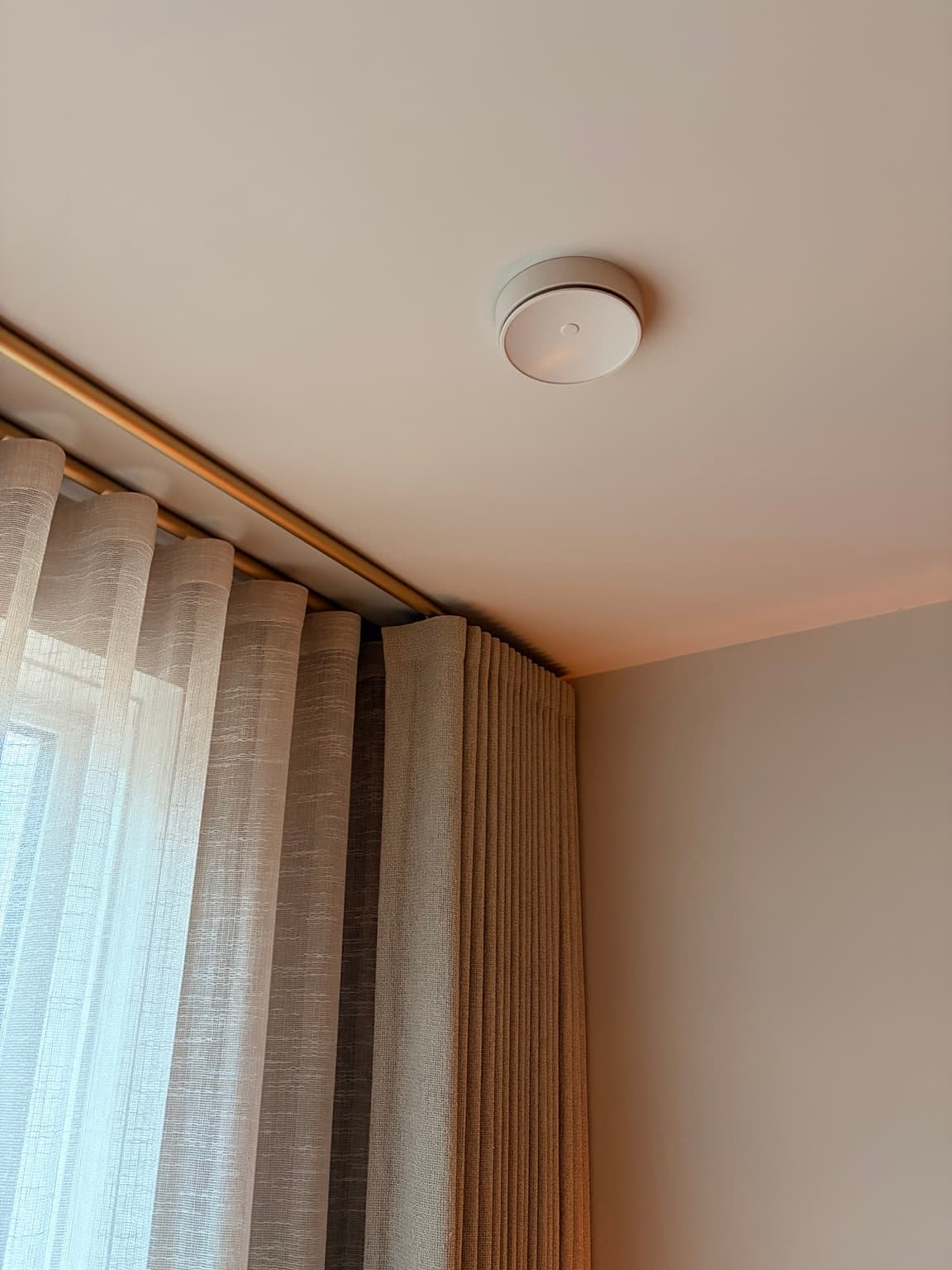
“A smart home starts with infrastructure, not gadgets.”
The most useful smart-home decisions we made were not the clever devices.
They were the boring preparations that made those devices easy to use later.
Power. Lighting points. Electrical routes. Room layouts. Outdoor connections. Shutter preparation. Knowing where speakers would live.
A new-build is the ideal moment to think about smart-home infrastructure because walls, floors and ceilings are already part of a building process.
The devices themselves can usually wait.
Start With What You Want the House to Do
Before choosing a platform or buying sensors, think about situations.
What should happen when you walk onto the landing at night? What should happen when you are cleaning? What should happen when you open a cupboard with your hands full? What should happen when you want music in the kitchen but not the rest of the house?
Those questions led to far more useful decisions for us than beginning with a list of smart-home products.
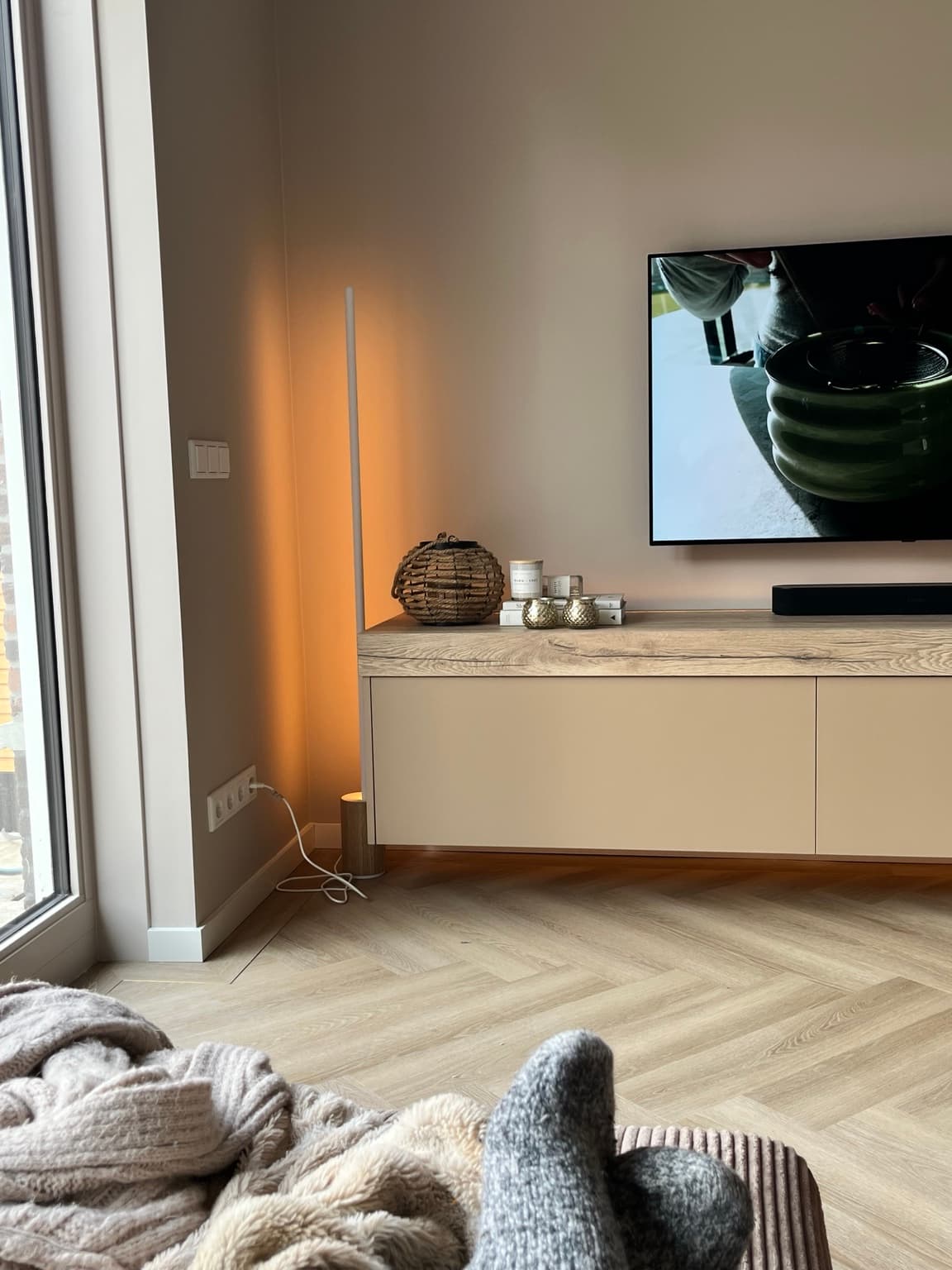
Our house now includes Philips Hue lighting, room-based Sonos, motion sensors in several circulation areas, automatic cupboard lighting and different lighting behaviours for different moments.
Bas also made sure I can still override things physically with buttons.
That last part matters. Automation should reduce friction. It should not make you helpless when you simply want to switch on a light.
Plan Power Before Products
Technology changes quickly. The need for electricity does not.
During our electrical planning, we thought about where speakers, lighting, appliances and future equipment would need power. Sonos was planned by room. Bathroom use was considered. Kitchen appliances were considered. Shutters and our rear sunshade were considered. Outdoor requirements were considered.
The advantage is that many devices can later be changed without changing the building around them.
That is what future-proofing should achieve.
Smart Lighting Should Still Be Good Lighting
We use Philips Hue extensively, but the important part of the system is not the app. It is the lighting plan underneath it.
We planned both functional and ambient light. The system can therefore behave differently depending on what we are doing.
For cleaning, we can bring the house into a much brighter mode. At night, circulation lighting is deliberately softer so walking onto the landing does not mean being hit by full-strength light. Movement sensors automate lighting in areas such as the toilet, landing, stairs and hall.
There is one slightly comic downside. If you sit extremely still on the toilet for long enough, the sensor may decide you no longer exist.
No smart home is completely without personality.
Automate the Repetitive Things
One of my favourite automations is also one of the simplest. Open the pantry cupboard and the light comes on.
When my hands are full of groceries, I don’t need to find a switch.
This is exactly the type of automation I think is worthwhile. Not automation because it is technologically impressive. Automation because it removes a tiny repeated irritation.
Look for those moments in your own house.
Give Every Automation an Escape Route
A home should continue to work for the people living in it. That means manual controls matter.
Our system includes physical buttons so I can override automations rather than being completely dependent on an app or sensor.
That is something I would plan again. The smartest house is not necessarily the one with the fewest switches. It is the one that behaves helpfully most of the time and remains simple when it doesn’t.
Think Room by Room
We use Sonos by room because music does not always need to follow you through the entire house. Think about how sound belongs to each space before planning speakers and power.
The same logic applies to lighting. The bathroom needs different light from the living room. The stairs need different behaviour at night from the kitchen during cleaning. The kitchen needs useful task lighting as well as evening atmosphere.
"Smart home" can become vague very quickly. Room-by-room planning makes it concrete.
Prepare External Infrastructure Too
A smart-home plan should not stop at the back door.
During construction we prepared routes and connections that subsequently became useful for our EV charger and garden electrics.
The garden lighting follows a similar philosophy to the inside of the house: there is both atmosphere and practical light rather than one type trying to do everything.
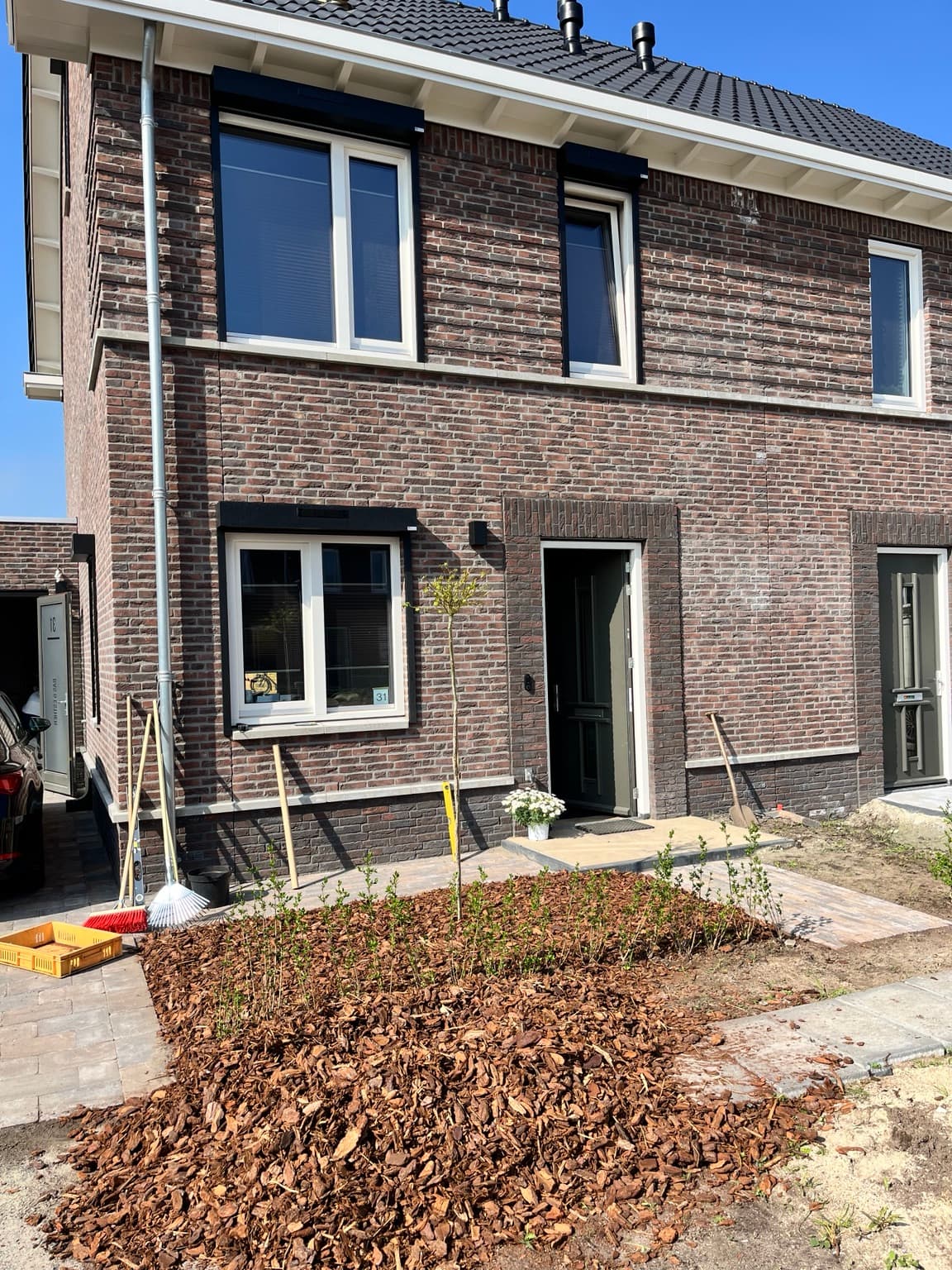
We also prepared for shutters and external sun protection before the house was finished. Even when the final product comes later, the hidden preparation is much easier to solve while the building is still accessible.
Decide What Needs to Be Built In — and What Can Remain Replaceable
This distinction is useful: built-in infrastructure is power, wiring routes, conduits, switch locations, lighting points, external connections and other difficult-to-access provisions. Replaceable technology is bulbs, speakers, sensors, hubs, apps and many individual devices.
Technology will date. Infrastructure should give you options when it does.
Avoid designing an entire house around one particular gadget if a more flexible technical provision can achieve the same thing.
Don’t Automate Something That Is Already Easy
There is no prize for making every object in the house smart. Some things are perfectly good with a normal button.
Our benchmark is whether automation removes friction or improves atmosphere.
If the smart version makes a simple action slower, it has failed.
Continue Reading
The best smart-home feature in our house is difficult to identify because the system works as lots of small conveniences rather than one spectacular trick.
That is exactly how I prefer it. The technology disappears into everyday life.
And that started long before we installed the devices. It started with deciding how we wanted the house to behave.
Planning the hidden decisions behind your own new build? The New Home Studio helps you work through the rooms, routines and decisions before they disappear behind finished walls.

Written by Esther
Esther is a photographer and storyteller, and the founder of Essy's Essentials - a seasonal home for stories, rituals, recipes and everyday luxuries.
More about Esther →