The Essy’s Essentials Wardrobe Palette
A warm, refined colour system for creating outfits that combine easily while retaining depth and seasonal character.
At a Glance
- The light foundation
- The mid-tone foundation
- The dark anchors
- Choose one warm metallic
- Add seasonal accent colours
- Use colour near the face intentionally
- Create useful colour combinations
- Avoid isolated colours
A wardrobe palette is not a rule that removes colour. It is a framework that helps colours relate to one another. When the main tones share a similar warmth and depth, more pieces can be worn together, shopping becomes clearer, accessories become more useful, and seasonal additions feel connected rather than random.
The Essy’s Essentials wardrobe palette is grounded in warm European neutrals - cream, oatmeal, camel, taupe, chocolate, olive, soft black, deep navy - supported by carefully chosen seasonal accents. The result should feel rich, quiet and lived in rather than stark or overly coordinated.
The Light Foundation
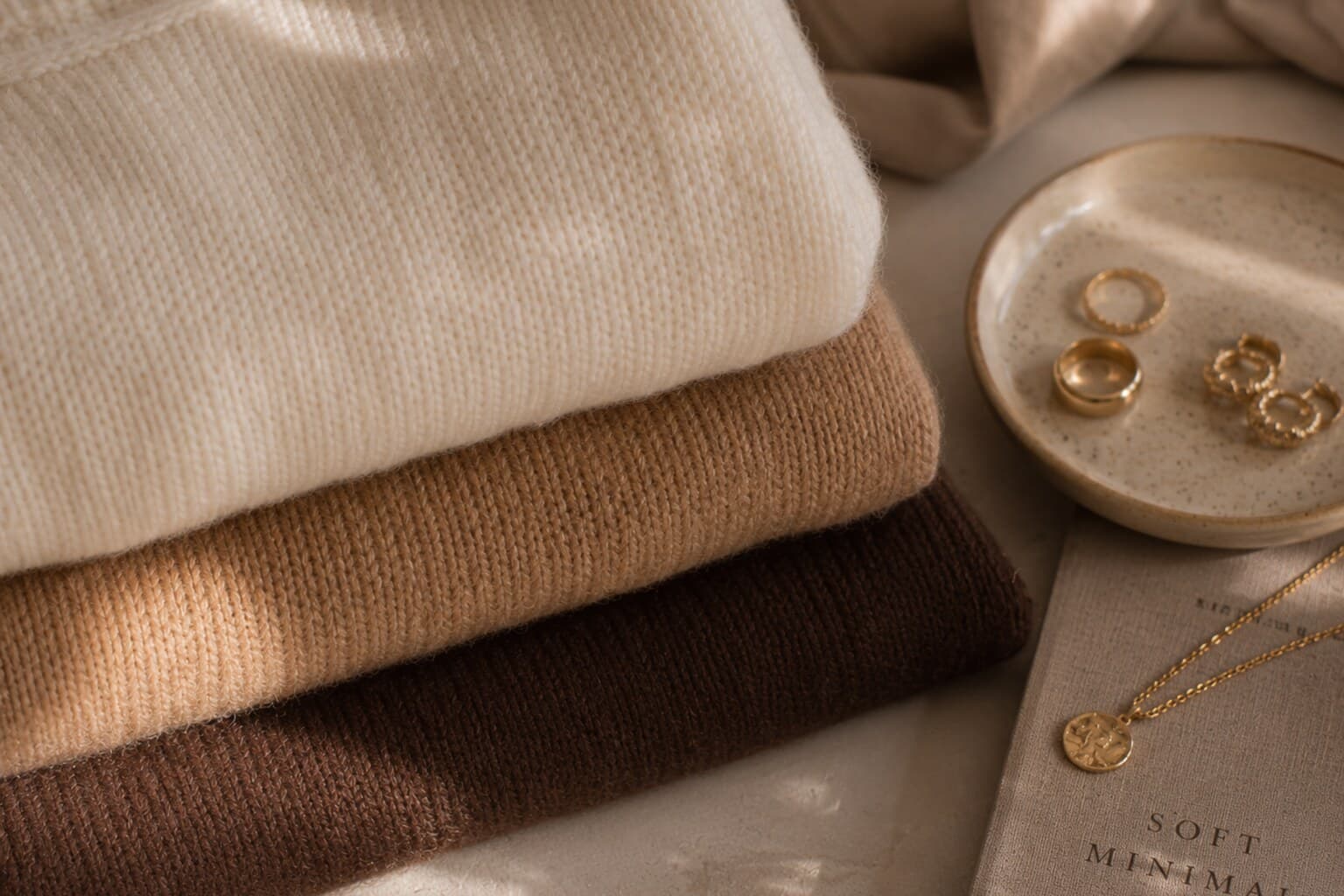
Use lighter tones near the face or as layering pieces - warm white, ivory, cream, oatmeal, soft beige, mushroom - for shirts, T-shirts, blouses, light knits, summer trousers and scarves.
The exact shade matters. A warm cream may integrate more naturally with camel, brown and olive than a sharp optical white.
The Mid-Tone Foundation
Mid-tones create depth without becoming heavy - taupe, caramel, camel, warm grey, stone, cappuccino, muted khaki - particularly useful for trousers, knitwear, coats, leather goods, jackets and everyday dresses.
Mid-tones often carry more of the wardrobe than either very pale or very dark colours.
The Dark Anchors
Dark colours provide contrast and structure - chocolate brown, espresso, soft black, deep olive, ink navy, charcoal - used for coats, shoes, belts, tailored trousers, bags and evening pieces.
A wardrobe does not need both black and brown as equal foundations. Choose the dark neutral that integrates best with existing clothes.
Choose One Warm Metallic
Useful metallic accents include gold, brass, antique gold, bronze and warm champagne, repeated through jewellery, bag hardware, belts, shoe details and hair accessories.
This creates subtle coherence without requiring exact matching.
Use Colour Near the Face Intentionally
Some colours are easier to wear as trousers, bags or shoes than close to the face. Observe whether a colour brightens the complexion, creates excessive redness, makes the skin appear grey, emphasises shadows, or feels too strong.
A less flattering colour may still work through a lower neckline, a scarf in a better tone, gold jewellery, or layering it beneath a warmer neutral. Colour advice should remain practical rather than restrictive.
Create Useful Colour Combinations
Dependable combinations include cream, camel and chocolate; taupe, olive and warm white; navy, oatmeal and cognac; soft black, camel and gold; chocolate, pale blue and cream; burgundy, taupe and brass; rust, dark denim and ivory.
Save combinations that work particularly well. These become reliable outfit formulas.
Avoid Isolated Colours
Before buying an item in a new colour, ask whether it works with at least three pieces already owned, whether it suits the main shoes and outerwear, whether it will still feel appropriate next season, and whether it requires a completely new set of accessories.
A colour may be beautiful and still be impractical within the current wardrobe.
The Checklist
- Light foundation selected
- Mid-tone neutrals identified
- One or two dark anchors chosen
- Metallic accent repeated
- Seasonal colours limited
- Best near-face tones noted
- Reliable combinations saved
- New colours tested against existing pieces
Add Seasonal Accent Colours
Spring
- Soft sage.
- Muted blue.
- Butter cream.
- Dusty rose used sparingly.
- Fresh green.
Summer
- Sun-washed blue.
- Terracotta.
- Soft coral.
- Olive.
- Warm sand.
Autumn
- Rust.
- Oxblood.
- Forest green.
- Mustard.
- Deep plum.
Winter
- Burgundy.
- Evergreen.
- Dark navy.
- Chocolate.
- Warm red.
Pair It With
A wardrobe palette should make dressing easier without making it predictable.
The neutrals create calm. The accent colours bring the season. The person wearing them gives the wardrobe its identity.
Enjoyed this?
The Seasonal Letter brings more stories, recipes and rituals like this one - a few times a season, never more.

Written by Esther
Esther is a photographer and storyteller, and the founder of Essy's Essentials - a seasonal home for stories, rituals, recipes and everyday luxuries.
More about Esther →