Seasonal Wardrobe & Personal Style
The Art of a Considered Wardrobe
A calm approach to personal style built around real life, thoughtful repetition and clothes that earn their place.
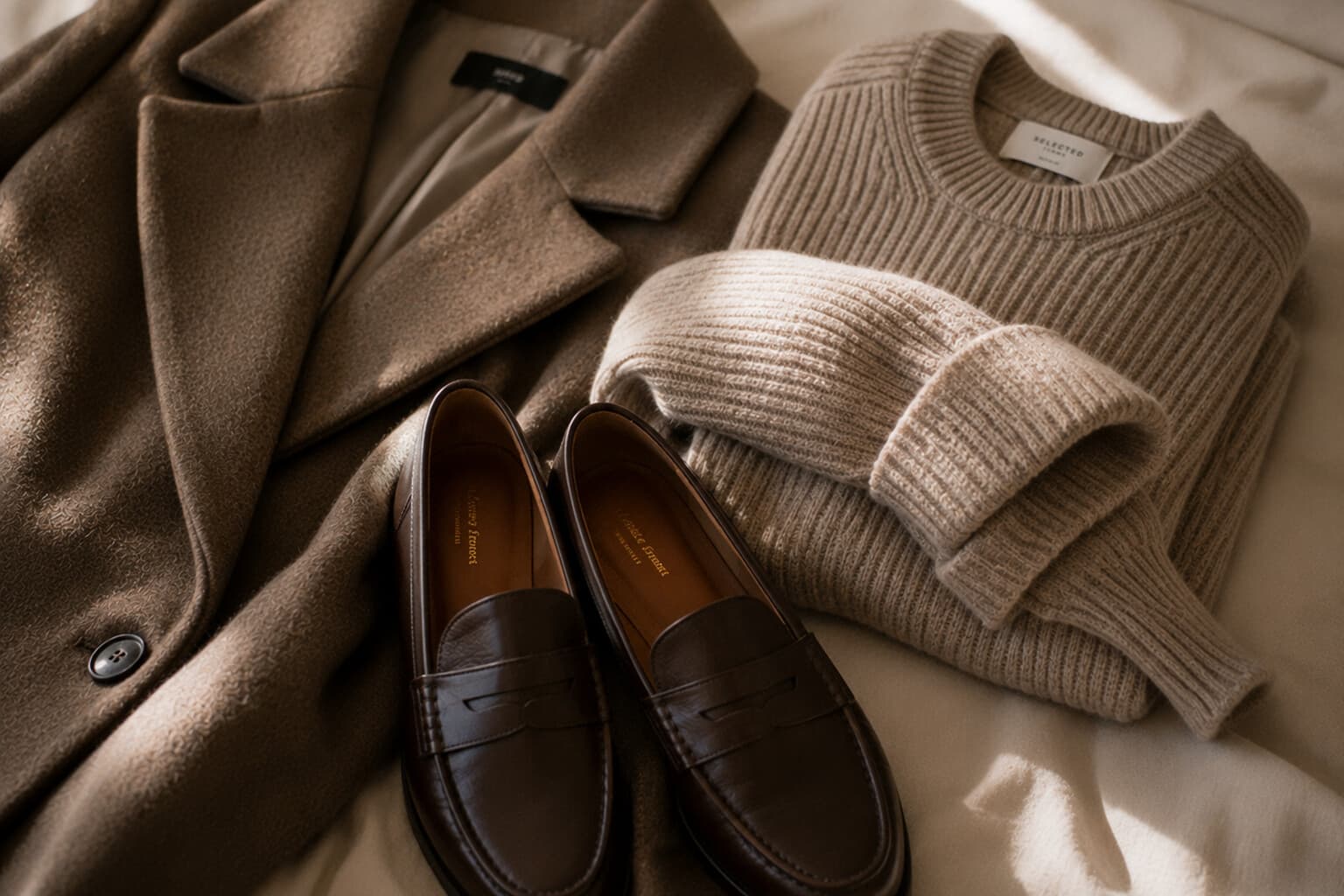
A considered wardrobe is not defined by how many clothes it contains. It is defined by how well those clothes support the life being lived.
The best wardrobes are not endlessly new. They are familiar - a coat that returns every autumn, a shirt that works with almost everything, shoes that make an ordinary outfit feel complete, a dress that can be worn to dinner, during a city weekend or with a cardigan on a quiet Sunday.
Personal style becomes clearer when clothing stops being treated as a constant stream of separate purchases and begins to function as a connected system. The goal is not to create a perfect capsule wardrobe. It is to build a wardrobe that feels coherent, useful and recognisably yours.
Begin with the Life You Actually Dress For
Before deciding what the wardrobe should contain, review how time is really spent - work, working from home, travel, weekends, social occasions, walking, seasonal outdoor time, formal events, everyday errands.
A wardrobe can appear beautiful and still be impractical when it reflects an imagined lifestyle rather than the current one. Estimate which categories occupy most of the week - those should receive most of the wardrobe space and budget.
Define the Feeling Before the Pieces
Choose a small group of words that describe how clothes should feel - polished, relaxed, European, softly structured, timeless, warm, understated, editorial, feminine without being delicate, practical without appearing purely functional.
These words become a filter. When considering a new item, ask whether it strengthens this direction or introduces a completely separate wardrobe identity.
Notice What Is Already Working
Review the clothes worn most often. Ask which silhouettes return, which colours are easiest to combine, which fabrics feel comfortable, which shoes work with the greatest number of outfits, which pieces repeatedly receive compliments, and which outfits feel most like you.
Personal style is often already visible through repetition. It does not always need to be invented.
Build Around Wardrobe Anchors
Wardrobe anchors are the pieces that organise the rest - a well-cut coat, tailored trousers, straight-leg jeans, a soft knit, a white, cream or blue shirt, a simple dress, leather loafers or boots, a structured bag, a blazer.
These pieces do not all need to be neutral. They need to connect easily with the rest of the wardrobe.
Use Repetition Intentionally
Repeating an outfit is not a failure of creativity. It is evidence that the outfit works. A useful outfit may be repeated through small changes - different shoes, a different knit, a scarf, jewellery, a seasonal coat, a different bag.
Familiar combinations reduce decision fatigue and often create a stronger personal identity than constant novelty.
Let Fit Lead
An expensive garment with poor fit will rarely become a favourite. Consider shoulder placement, sleeve length, waist position, trouser length, ease through the body, comfort while sitting, how the fabric moves, and whether the item works with the undergarments already owned.
Alterations may turn an almost-right item into a dependable one. Equally, some pieces are not worth correcting.
Create Space for Personality
A considered wardrobe should not become overly safe. Include room for an unusual print, a signature colour, a sculptural earring, a distinctive coat, a vintage piece, an unexpected shoe.
One expressive element can give character to a simple outfit. The wardrobe should feel coherent, not anonymous.
Pair It With
A considered wardrobe is built slowly. It develops through attention - what is worn, what is avoided, what survives several seasons, what continues to feel right after novelty has passed.
Personal style begins there.

Written by Esther
Esther is a photographer and storyteller, and the founder of Essy's Essentials - a seasonal home for stories, rituals, recipes and everyday luxuries.
More about Esther →