Home Rituals & Atmosphere
The Art of a Well-Lived Home
Small, repeatable rituals that make a home feel warm, cared for and quietly alive.
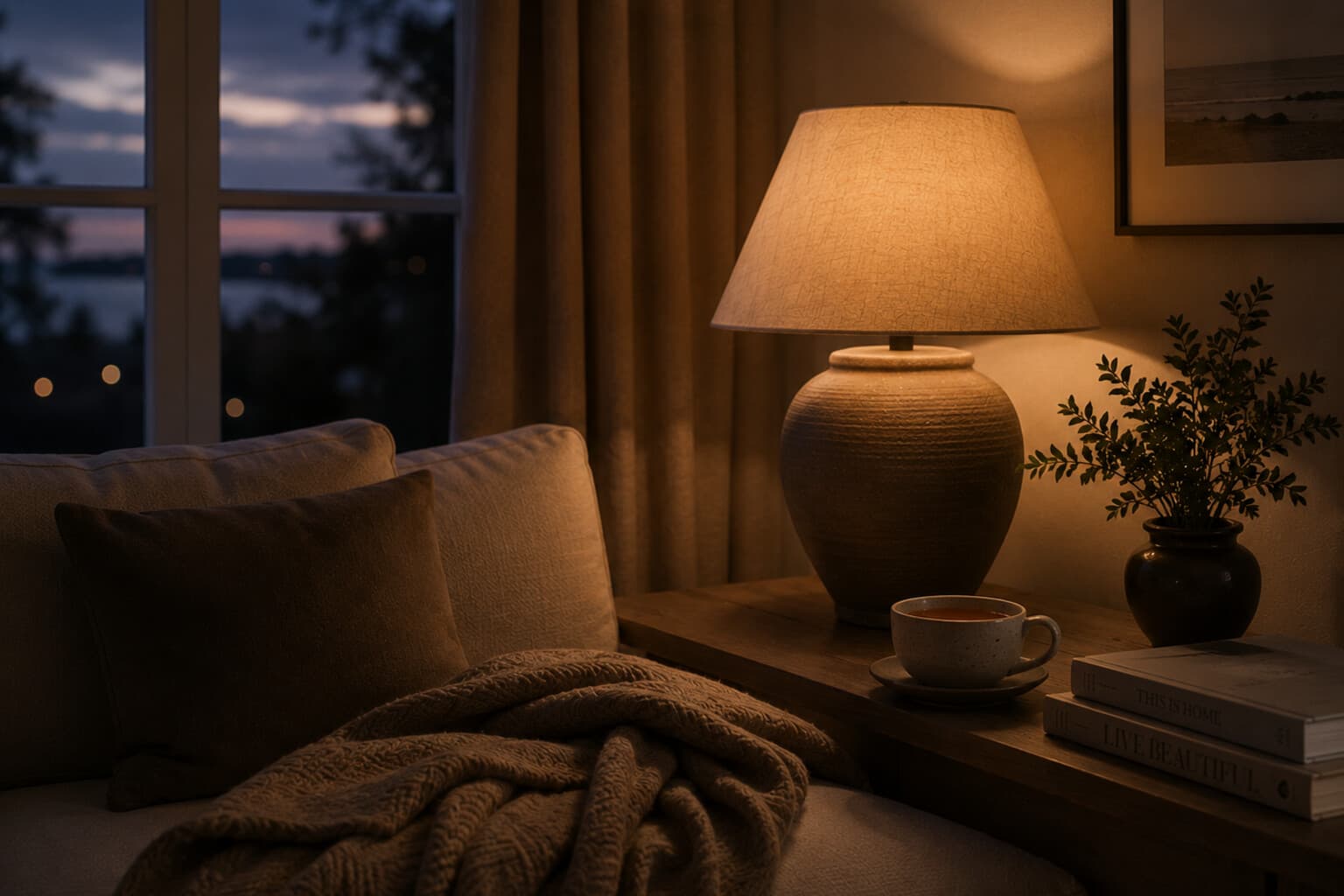
A beautiful home is not created only through furniture, colour and styling.
It is also shaped by what happens inside it. The first lamp switched on at dusk. Fresh water beside the bed. A table cleared before the evening begins. Coffee made without rushing. A window opened in the morning. A candle lit while dinner is prepared.
These moments are not decorative. They are the rhythms that turn a space into a place of comfort, memory and belonging.
A well-lived home does not need to be immaculate. It needs to support the people living there.
The purpose of a home ritual is not to add another obligation. It is to make an ordinary transition feel easier, calmer or more intentional.
Begin With the Moments That Already Exist
Rituals work best when they are attached to something that already happens - opening the curtains after waking, making the first drink of the day, returning home from work, preparing dinner, beginning the evening, getting ready for bed.
Instead of creating an entirely new routine, add one small sensory or practical detail. Open the window while the coffee brews. Clear the kitchen while the kettle boils. Switch on the lamps before the room becomes dark. Place tomorrow’s essentials by the door before going upstairs.
A ritual becomes sustainable when it fits naturally into life.
Create Transitions Between Parts of the Day
The home often carries the atmosphere of whatever happened before. Work continues into the evening. Morning clutter remains visible at dinner. A rushed departure creates a chaotic return.
Small reset rituals help one part of the day end before the next begins - a five-minute morning reset, a returning-home ritual, a kitchen closing routine, an evening lighting ritual, a final room check before bed.
These moments do not need to be long. Their purpose is to create a clear change in pace.
Use the Senses Deliberately
Atmosphere is experienced through more than appearance - consider light, scent, sound, temperature, texture and taste.
A room may feel more welcoming through a warm lamp, fresh air, a quiet playlist, a soft blanket, coffee or tea, or a subtle seasonal scent.
Choose only a few sensory elements at once. Too much fragrance, sound or decoration can create stimulation rather than calm.
Let Care Remain Visible
A lived-in home may include signs of daily life - a book on the side table, a cup waiting by the coffee machine, a folded blanket, a bowl of fruit, fresh flowers in a simple jug.
These details suggest presence. The objective is not to remove every trace of living. It is to distinguish between meaningful use and neglected clutter.
Create One Dependable Reset Point
Choose one small area that is restored every day - the kitchen sink, the dining table, the coffee table, the entrance, the bedside table, or the sofa.
A single clear area can change the feeling of an entire room. When time or energy is limited, reset that point first.
Avoid Turning Rituals Into Performance
A ritual should make life feel better for the people living it. It does not need to be photographed, shared or presented perfectly.
Some days the ritual may be lighting a candle. Other days it may simply be clearing one chair, opening the window, putting on clean pyjamas, or making tea.
The smallest version still counts.
Pair It With
A well-lived home is built through repeated acts of care.
Not grand gestures. Not constant decoration. Just small moments that quietly say: we are here. This space matters. The day can soften now.

Written by Esther
Esther is a photographer and storyteller, and the founder of Essy's Essentials - a seasonal home for stories, rituals, recipes and everyday luxuries.
More about Esther →