The Morning Toast Edit
A simple way to make ordinary toast feel considered, without turning breakfast into a recipe.
At a Glance
- Begin with the bread
- Choose the toast level
- Sweet toast formula
- Savoury toast formula
- Seasonal toast combinations
- Keep the topping proportional
- Add a side only when needed
- Prepare a toast basket
Toast is often treated as the fallback breakfast - whatever is quickest when nothing else is planned. It rarely receives much thought.
A little attention changes that. The right bread, the right level of toasting, and one or two well-chosen toppings turn toast from a default into a genuine breakfast in its own right.
Begin with the Bread
Sourdough, a seeded loaf, rye, or a simple white bread each toast differently and suit different toppings. Choose bread based on what the topping needs to hold, not only on what is available.
A denser bread suits a heavier topping; a lighter bread suits something delicate.
Choose the Toast Level
Lightly toasted bread suits soft toppings like nut butter or ripe fruit. Well-toasted bread holds up better under something wet, such as a poached egg or stewed fruit.
There is no single correct level - only the level that suits what is going on top.
Sweet Toast Formula
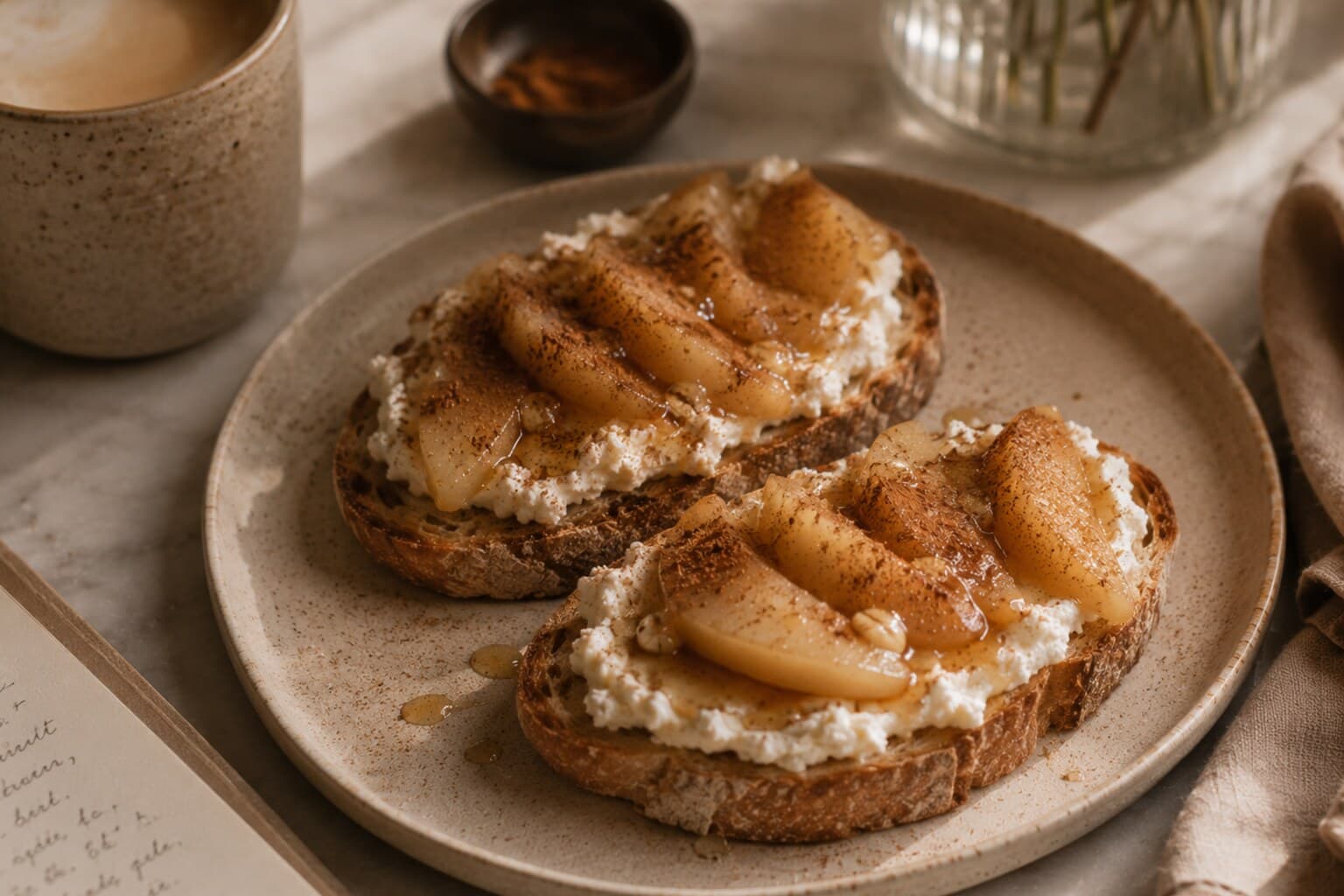
A dependable sweet formula: a spread (nut butter, ricotta or soft cheese), a fruit element (sliced, stewed or compote), and a small finish (honey, a little spice or a few flakes of salt).
Following the formula, rather than reaching for a random combination, keeps sweet toast consistently good.
Savoury Toast Formula
A dependable savoury formula: a base (avocado, cheese or a savoury spread), a protein element (egg, beans or smoked fish), and a finish (herbs, chilli flakes or a good oil).
The same three-part logic as the sweet formula applies - base, substance, finish.
Keep the Topping Proportional
A topping piled higher than the bread itself is difficult to eat and often falls apart. The bread should remain the base the topping sits on, not a garnish underneath it.
A restrained topping is usually more enjoyable to actually eat than a generous one.
Add a Side Only When Needed
Toast can stand on its own as a light breakfast. A side - fruit, yoghurt or a boiled egg - should only be added when more substance is genuinely needed, not automatically.
An unnecessary side adds washing up without adding satisfaction.
Prepare a Toast Basket
For a slower morning or guests, a small basket or board with two or three spreads, a fruit option and a savoury option lets everyone build their own toast without extra cooking.
A toast basket turns a simple food into something that feels a little more like an occasion, without requiring much more effort.
The Checklist
- Bread matched to the topping
- Toast level suited to the topping
- Formula followed (base, substance, finish)
- Topping kept proportional
- Side added only if needed
- Basket prepared for guests or a slower morning
Seasonal Toast Combinations
Spring
- Ricotta, sliced strawberries and a little honey.
- Avocado, radish and herbs.
Summer
- Soft cheese, sliced peach and mint.
- Tomato, olive oil and flaked salt.
Autumn
- Nut butter, stewed pear and cinnamon.
- Mashed white beans and roasted squash.
Winter
- Ricotta, orange segments and a little spice.
- Egg, smoked fish and dill.
Pair It With
Toast does not need to be reinvented to feel worthwhile.
It needs the same small formula, applied with a little more attention than usual.
Enjoyed this?
The Seasonal Letter brings more stories, recipes and rituals like this one - a few times a season, never more.

Written by Esther
Esther is a photographer and storyteller, and the founder of Essy's Essentials - a seasonal home for stories, rituals, recipes and everyday luxuries.
More about Esther →