The Low-Energy Care Routine
A reduced personal-care plan for days when energy is limited but basic comfort and dignity still matter.
At a Glance
- Level 1: Essential care
- Level 2: Comfort care
- Level 3: Reset care
- Create the five-minute essential routine
- Keep low-energy supplies visible
- Simplify food expectations
- Reduce decisions
- Ask for practical support
- Recognise when more help is needed
Some days do not support a full routine. The body may be tired, the mind may be overloaded - there may be illness, grief, stress, poor sleep or too many demands. On these days, self-care advice can become unrealistic: a long shower, a complete skincare routine, a healthy meal prepared from scratch, a walk, journalling, tidying, early sleep. Each suggestion may be sensible alone. Together, they become impossible.
The Low-Energy Care Routine identifies the smallest actions that protect comfort, hygiene and the next few hours.
Level 1: Essential Care
For the lowest-energy days, focus on medication or medically necessary care, water, food that is available and tolerable, dental care, basic hygiene, and rest.
Everything else may wait.
Level 2: Comfort Care
When a little more is possible, add clean clothes, simple skincare, hair brushed or secured, fresh air from a window, a warm drink, and a cleared bedside or sitting area.
Level 3: Reset Care
When energy begins to return, add a shower or bath, laundry, a short walk, simple meal preparation, changing bedding, and reviewing tomorrow.
The levels prevent all-or-nothing thinking.
Create the Five-Minute Essential Routine
Choose: brush teeth, wash face or use a suitable cleansing method, apply moisturiser, use deodorant, brush or secure hair, and change into clean, comfortable clothes. Then stop.
This routine can be completed standing or seated, depending on capacity and safety.
Keep Low-Energy Supplies Visible
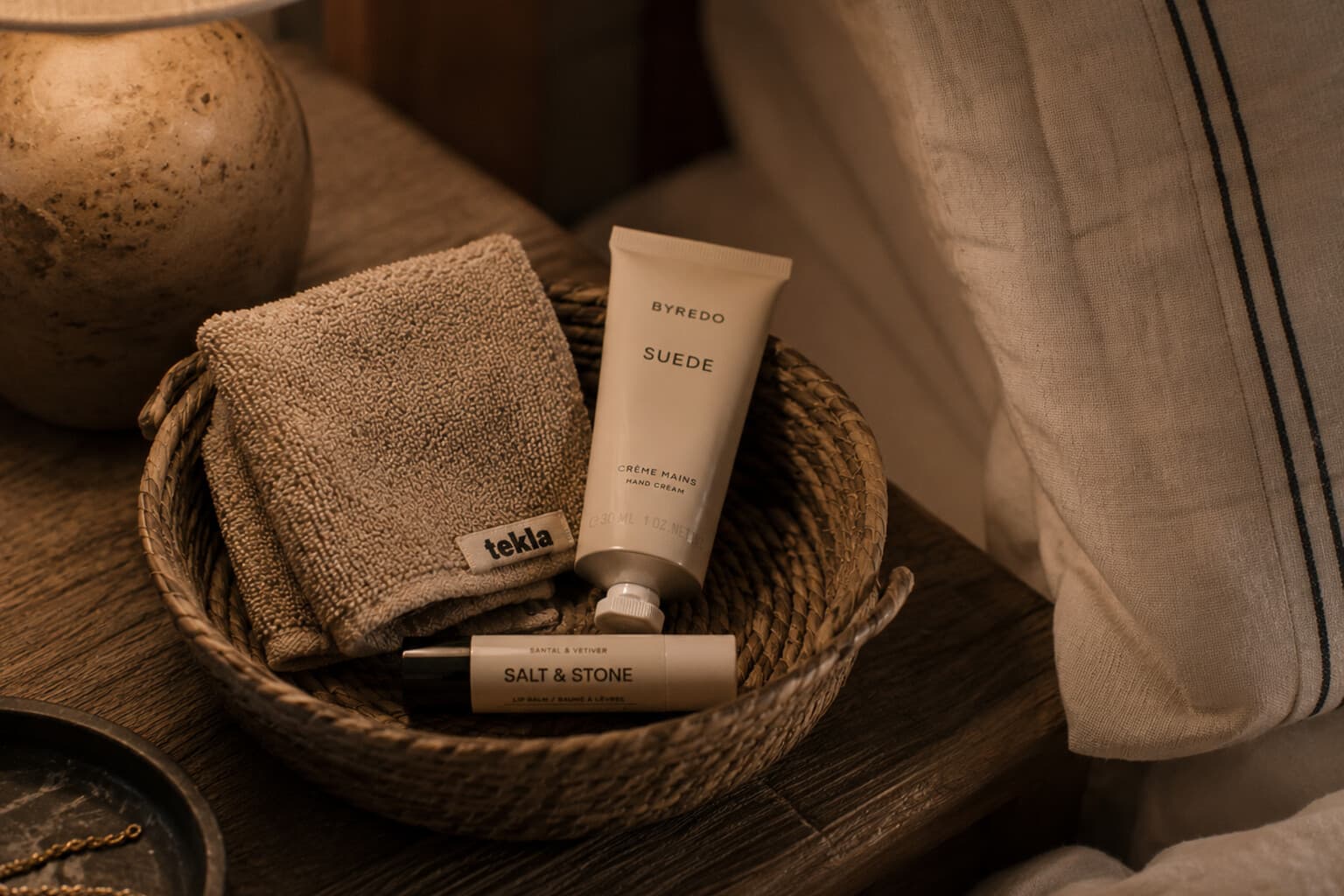
A small care basket may contain face cloths, gentle cleanser, moisturiser, lip balm, hand cream, hair ties, tissues, dental essentials, and medication organised according to healthcare guidance.
Keep it practical - do not create a decorative basket filled with products that are never used.
Simplify Food Expectations
Low-energy food may be toast, soup, yoghurt or a suitable alternative, fruit, eggs, prepared meals, frozen portions, or simple sandwiches.
The goal is nourishment, not performance - follow personal dietary and medical needs.
Reduce Decisions
Use predetermined options for clothes, breakfast, evening care, hair and meals.
A familiar routine requires less mental effort than choosing from many possibilities.
Ask for Practical Support
Support may include someone bringing food, changing an appointment, sharing a household task, ordering essentials, or taking a call on your behalf.
Rest is easier when unnecessary responsibilities are reduced.
Recognise When More Help Is Needed
Low energy can be temporary. It may also relate to a medical or mental health concern. Persistent, severe or worsening fatigue should be discussed with an appropriate professional, and urgent symptoms require urgent care.
A self-care routine is not a substitute for assessment.
The Checklist
- Current capacity accepted
- Essential care identified
- Five-minute routine available
- Food expectations simplified
- Decisions reduced
- Practical support considered
- Persistent symptoms not ignored
Pair It With
Low-energy care is not a lesser form of care.
It is care made realistic enough to remain available when it is needed most.
Enjoyed this?
The Seasonal Letter brings more stories, recipes and rituals like this one - a few times a season, never more.

Written by Esther
Esther is a photographer and storyteller, and the founder of Essy's Essentials - a seasonal home for stories, rituals, recipes and everyday luxuries.
More about Esther →