The Working Life Edit
How to Make Time for Hobbies When You Work Full-Time
A photograph on the way through the day, fifteen minutes of Italian and the occasional wonderfully unexpected workshop.
6 min read
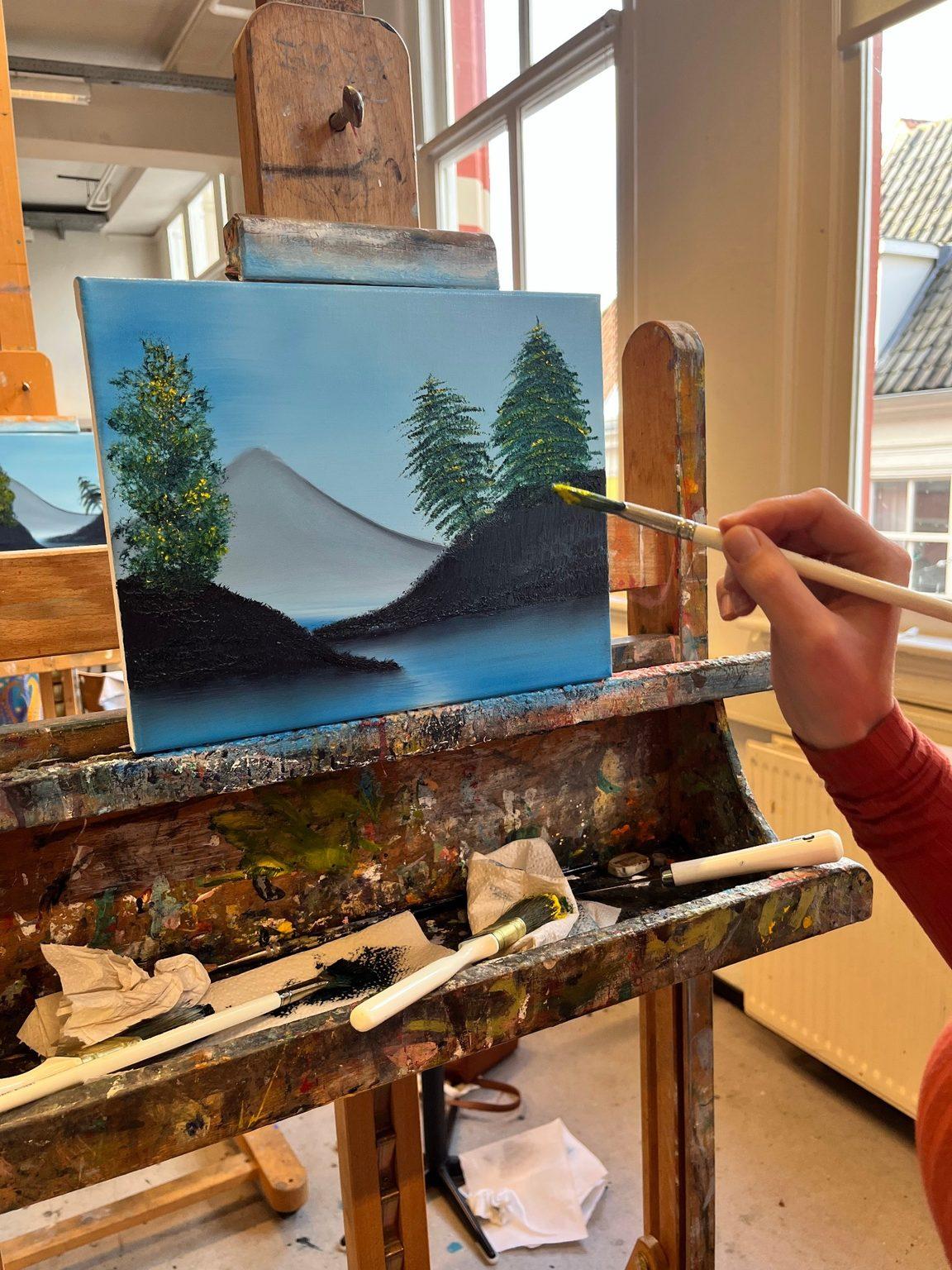
An occasional workshop with my niece: this time, painting in the style of Bob Ross.
To make time for hobbies when you work full-time, look for an activity that can fit into your actual day, let occasional experiences count and decide how much time feels comfortable. A hobby can be a small daily pleasure or something you return to every so often. You don’t have to become good at it or turn it into an income.
I take photographs throughout the day, wherever I happen to be, mostly with my iPhone. It scratches that creative itch without requiring me to organise a whole afternoon around it.
Quite a few of my interests begin that way. I’m doing something, I find myself getting enthusiastic about it, and gradually it becomes a hobby.
Notice what you’re already drawn to
Photography is so woven into my life that making time for it often happens naturally. I notice something I want to capture, and I take the photograph.
That doesn’t mean every hobby fits so easily. I would like to walk more, and I don’t give it as much time as I’d like. I have things that fit almost by themselves and others that keep waiting for a quieter week.
If you’re looking for a hobby, think about what you already pause for. What do you take pictures of? What do you enjoy learning about? What catches your attention when nobody is asking you to be useful?
You can follow a little curiosity before deciding whether it deserves a permanent place in your diary.
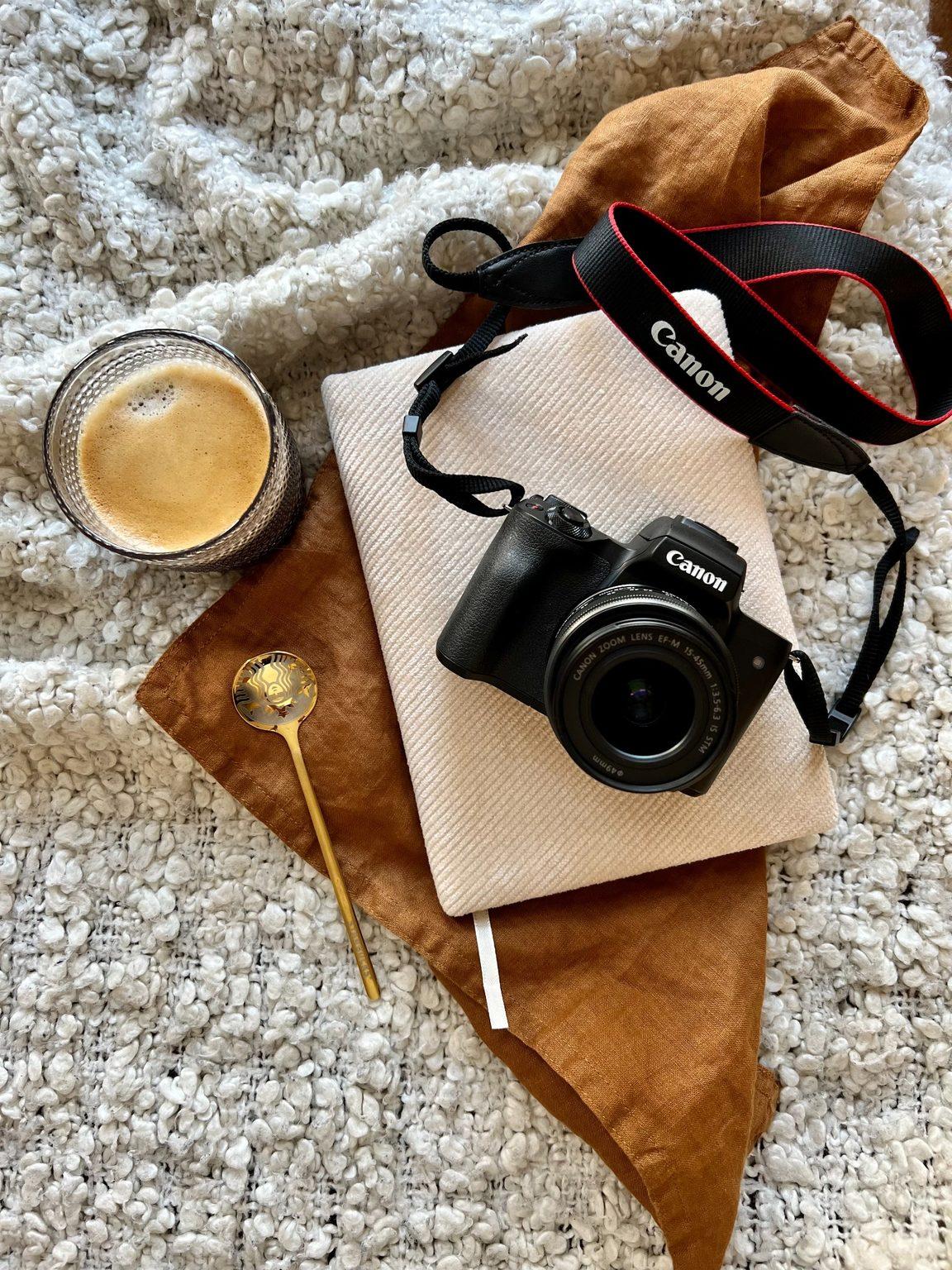
Fifteen minutes of Italian is enough for me
At the moment, I’m learning Italian. I spend fifteen minutes on it every day, seven days a week.
That is the amount of time I can fit in. I’m still far from good at it, but I love the language and I enjoy learning it. Those fifteen minutes have become a hobby in their own right.
I don’t want someone else’s idea of how quickly I should progress to take that enjoyment away. For now, this amount suits my life.
Your comfortable amount may be different. It might be a few minutes on a weekday or an occasional longer session. Choose a size that leaves you wanting to come back. My daily Italian practice is a personal choice, not a rule for every hobby.
Try something a little unexpected with someone you like
Every so often, my niece and I choose something slightly unusual that we’re both enthusiastic about trying.
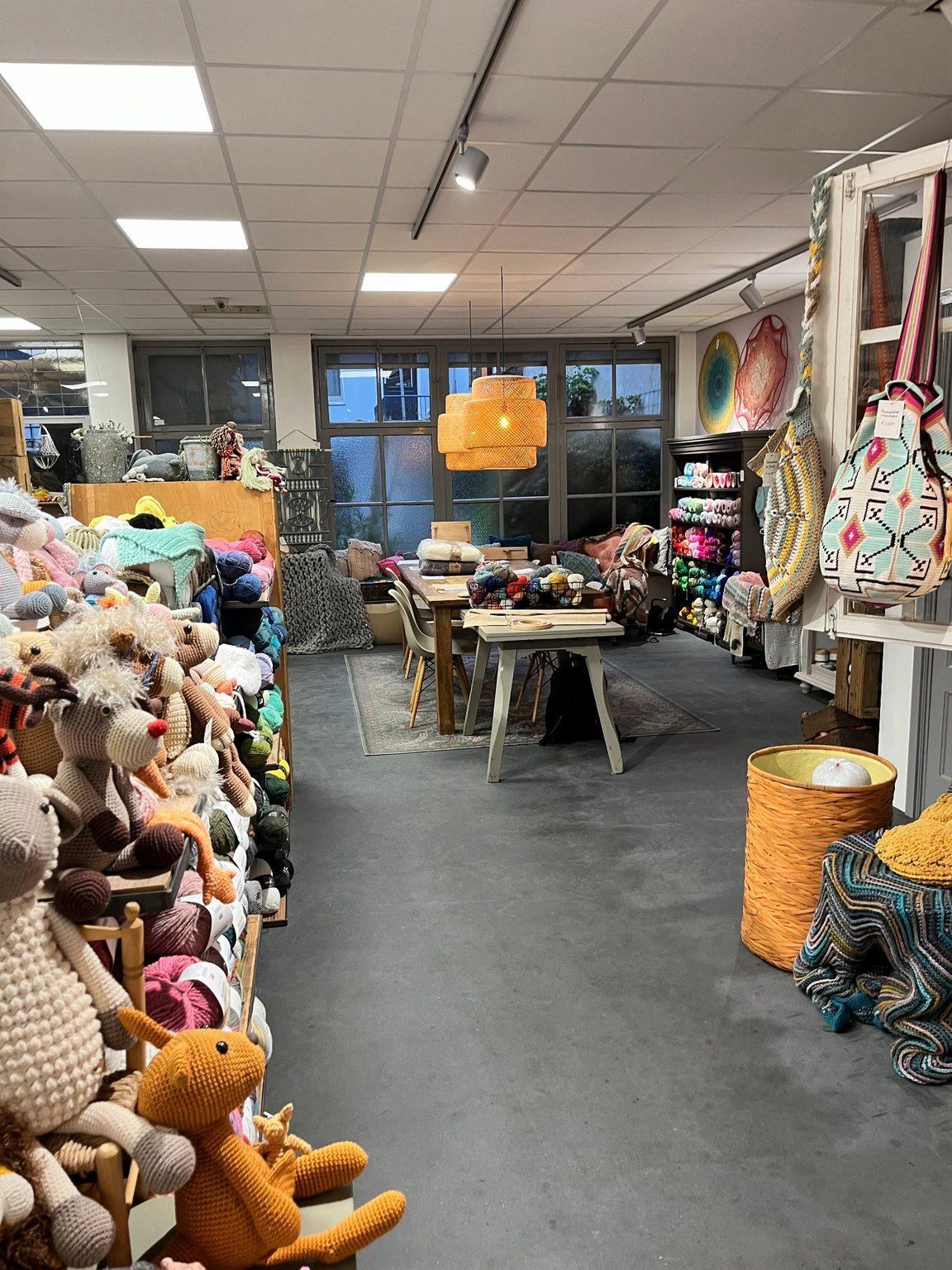
At the wool shop in my photographs, we took an arm-knitting class. It was such fun. The painting photograph is from a workshop where we painted in the style of Bob Ross.
I love that these experiences can have a place alongside the things I do more regularly. You can try a workshop because the idea makes you smile, without deciding that you are now going to paint every Thursday or reorganise a room around wool.
If someone in your life shares that curiosity, send them one idea. It could be a class, a small creative project or an afternoon trying something with materials you already have. Start with the part you’re both excited about.
A hobby doesn’t have to become your job
For a period, I worked full-time in something much closer to influencer work. I found that uncomfortable, and it made the activity less enjoyable for me.
That experience has made me cautious about turning hobbies into work. Other people may love it. I learned that having to make something deliver professionally can change how I feel about doing it.
With Essy’s Essentials, I feel enthusiastic about the creative possibilities. I can put my ideas somewhere, make things and share them. I also love the thought that something here might help another person, whether I know them or not.
If you’ve found this article while trying to make a little room for yourself, that includes you. It is a lovely thought that something from my own life might be useful in yours.
Let enjoyment have a say
There can be so much pressure for every interest to demonstrate progress or produce something. A finished object. A qualification. A side business. Something to show for the time.
I try to pay attention to how an activity feels to me. I enjoy Italian even though I’m a beginner. Photography gives me a creative outlet in ordinary moments. An occasional workshop can simply be a good time with my niece.
If you’re wondering whether a hobby is worth the time, you might ask:
- Do I enjoy being in the middle of it?
- Am I curious enough to try it again?
- What amount of time can I give it comfortably?
- Would I still like it if I never shared the result?
You don’t need four impressive answers. One small reason to enjoy yourself is a perfectly reasonable beginning.
Frequently Asked Questions
How much time should I spend on a hobby?
There is no single amount you need to aim for. I spend fifteen minutes a day learning Italian and fit photography into ordinary moments. Other interests, such as workshops with my niece, happen occasionally.
What if I’m not good at my hobby?
You can enjoy being a beginner. I’m still learning Italian and the pleasure of the language is enough to keep me interested. Skill can develop at its own pace; enjoyment doesn’t have to wait for it.
How can I find a hobby if I don’t know what I like?
Follow something you’re already curious about and try a small version. A single workshop or a short session with materials you already have can tell you more than planning an elaborate new routine.
Should I turn my hobby into a side hustle?
Consider whether deadlines, customers and income expectations would change what you enjoy. My own experience of full-time influencer-style work made me more protective of creative enjoyment. You can keep a hobby simply because you like doing it.
Leave room for something you fancy doing
If you’re choosing something new for the year, let yourself be a little curious. Take the photograph. Try the class. Learn the Italian words, even if fifteen minutes is all you have.
You can decide later whether you want to do more. For now, you’re allowed to enjoy the time you’ve made. If a book is one of the things you’d like more room for, I wrote about making room for reading too.
For more ways to make room around the practical things, explore Life, Beautifully Organised.
Written by Esther, founder of Essy’s Essentials, from her own creative life and experiences.
Written by Esther
Esther is a photographer and storyteller, and the founder of Essy's Essentials - a seasonal home for stories, rituals, recipes and everyday luxuries.
More about Esther →