Home Care & Housekeeping
The Art of Quiet Housekeeping
A realistic approach to caring for a home through small, repeatable actions rather than constant cleaning.
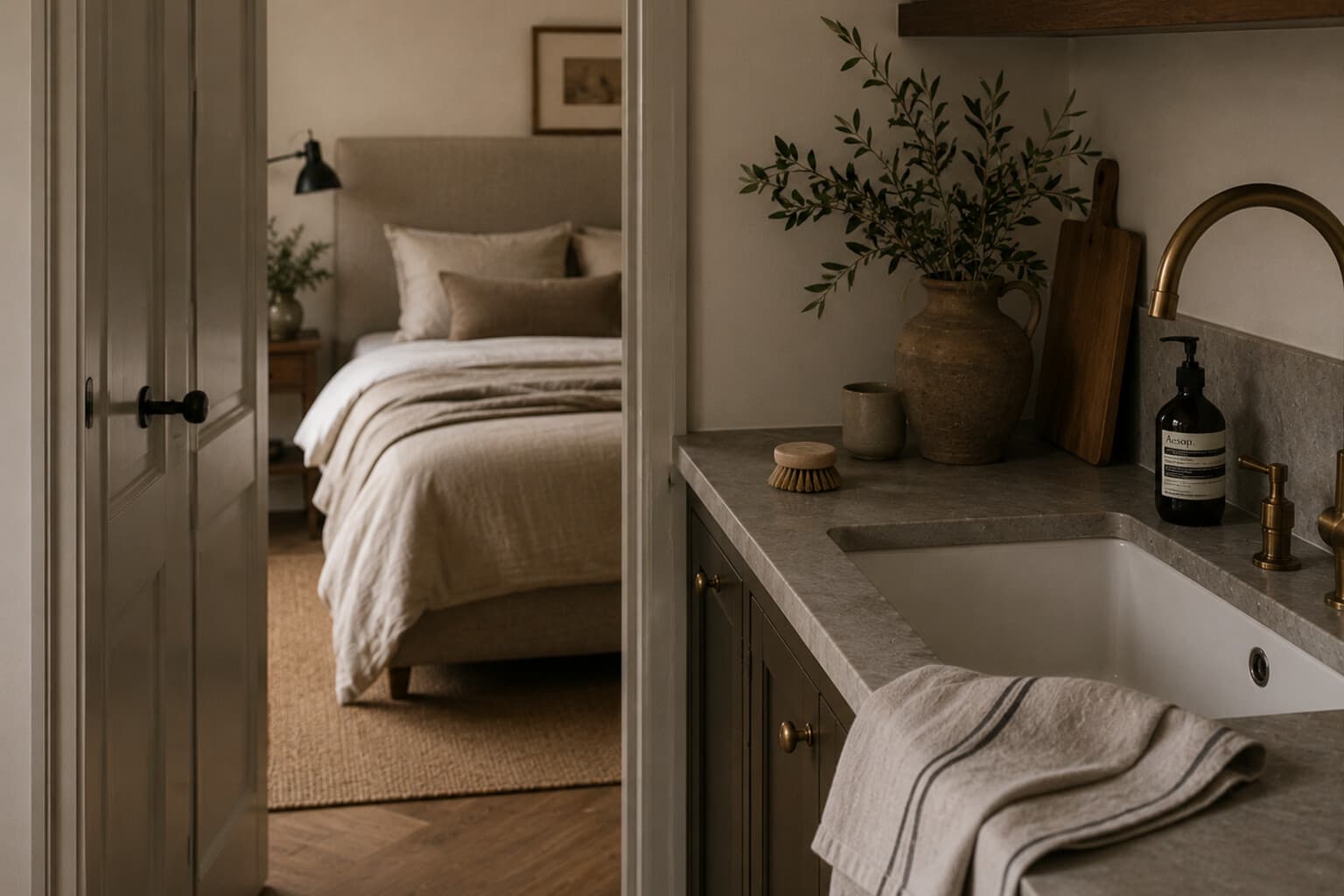
Housekeeping is often presented in extremes. Either the home is perfectly maintained, or everything has fallen behind.
In reality, most homes move continuously between use and restoration. Meals are prepared. Laundry gathers. Floors collect traces of the day. Objects move. Bathrooms need attention. Beds need changing.
A cared-for home is not one that remains untouched. It is one that is regularly returned to a comfortable baseline.
Quiet housekeeping is not about spending every free moment cleaning. It is about creating a simple rhythm that prevents ordinary tasks from becoming overwhelming. The purpose is not perfection. The purpose is ease.
Define Your Household Baseline
Every household has a different point at which the home feels comfortable. For one person, this may mean a clear kitchen sink, a made bed, clean bathroom surfaces, vacuumed main rooms, and laundry under control. For another, the priorities may be different.
Choose the few conditions that most influence how the home feels - possible baseline standards include the kitchen can be used immediately, the bathroom is clean enough for daily use, the main room has clear surfaces, fresh towels are available, there is enough clean clothing for the coming days, and the entrance is passable.
When time is limited, restore these first.
Separate Cleaning From Tidying
Tidying means returning objects to their place. Cleaning means removing dust, dirt, grease, stains or bacteria. The two activities often become mixed together.
Cleaning a kitchen counter is difficult when it is covered with post, shopping and chargers. Vacuuming is slower when the floor contains bags, shoes and clothing.
Begin by resetting the space. Then clean it. This simple order reduces frustration.
Use Maintenance Rather Than Rescue
A home is easier to care for when tasks are completed before they become large. Examples include wiping the basin before marks build up, cleaning a spill immediately, running the dishwasher before it becomes overloaded, returning laundry before another load is washed, emptying bins before they overflow, and replacing household supplies before they run out.
Maintenance requires less effort than recovery.
Work by Impact
When the home feels unsettled, begin with the tasks that create the greatest visible or practical improvement. A useful order is: remove rubbish, process dishes, gather laundry, clear the floor, reset the main surfaces, clean the kitchen, refresh the bathroom, vacuum or sweep, and finish with atmosphere.
Do not begin with a detailed drawer while the main room remains unusable.
Create Visible Care
A home often feels cared for through a few simple details - a clean tea towel, fresh hand soap, a folded blanket, a clear sink, a made bed, fresh water beside the bed, or shoes placed neatly.
These details are not about appearances for other people. They make ordinary life easier for the household itself.
Let the Scale of the Task Match Your Energy
The Five-Minute Version
- Remove rubbish.
- Take dishes to the kitchen.
- Clear one surface.
- Straighten the largest items.
The Fifteen-Minute Version
- Complete the five-minute reset.
- Empty or load the dishwasher.
- Wipe one bathroom surface.
- Gather laundry.
The Thirty-Minute Version
- Reset the main rooms.
- Clean the kitchen.
- Refresh the bathroom.
- Vacuum the busiest areas.
The Full Version
- Complete deeper cleaning and maintenance tasks.
- A smaller reset is still useful - avoid waiting for enough energy to do everything.
Pair It With
Housekeeping is not a test of whether a home can remain perfect.
It is a form of maintenance. A quiet practice of restoring the spaces that support everyday life.

Written by Esther
Esther is a photographer and storyteller, and the founder of Essy's Essentials - a seasonal home for stories, rituals, recipes and everyday luxuries.
More about Esther →